Being a Brit transplanted in the US, it is bizarre to me that the state of healthcare is not an election issue. In the UK, it’s the constant political hot potato – never enough funding, never enough nurses, doctors on strike, massive waiting lists for patients, etc. However, from my own personal experience, the waitlists are just as frustrating in the States, the IT systems are woefully integrated (and some actually worse than the UK’s NHS), the patient experience is very “transactional,” reactive, and rarely joined up, despite $5 trillion annually propping up this mammoth house of cards.
Fortunately, at HFS, we have a deep focus on healthcare and life sciences, which has taught me personally a lot about the core issues, so I asked our fearless healthcare lead analyst, Rohan Kulkarni, to name six big things we can address to fix these problems while American voters obsess about anything but their healthcare…
All attributes of the quadruple aim of care continue to head in the wrong direction
Given the strong financial incentives to perpetuate a system that operates without responsibility or accountability, nothing can be done to fix this sick care paradigm. At HFS Research, we measure the performance of US healthcare across the quadruple aim of care (see Exhibit below) – to reduce the cost of care, enhance the experience of care, improve health outcomes, and address health equities. Despite strong evidence of all elements of the quadruple aim of care failing its health consumers, there are no meaningful catalysts to trigger a change in direction:
However, there are 6 things that are still possible that may give us some relief…
1. Eat healthy and get off the couch
There is significant clinical evidence to suggest that those who are mindful of what they eat and maintain an active lifestyle tend to remain healthy compared to those who don’t. DNA certainly plays a part, but it is likely that a diet of saturated fats and high cholesterol combined with a sedentary lifestyle is not consistent with disease-free, high quality of life, and long life spans. It is, therefore, incumbent upon each of us to practice a healthy lifestyle (nutrition, activity, hygiene) if we want to remain relatively disease-free and postpone those healthcare visits.
2. Employers fire your health insurers
Despite all the fuss about AI, employees will likely remain an employer’s ultimate asset for the foreseeable future. It is, therefore, an economic imperative for employers to keep their employees healthy (sick employee = cost, healthy employee = revenues). To support a healthy employee population, employers must really explore underwriting the medical risk of their employees, especially those that are profitable, in a services business, and have limited liabilities. Those who are already self-insured must consider creating direct-to-provider constructs with a reasonable capitated fee that eliminates all those foolish administrative burdens like prior authorization and claims processing while getting a better quality of care at a lower price.
3. Consumers embrace subscription-based primary care
President Obama said in the throes of the Affordable Care Act fights of 2013 that healthcare would be cheaper than your monthly cell phone bill. He was not kidding. Subscription for digital health-enabled primary care is as low as $9.00 per month if you are an Amazon Prime member of OneMedical. Other providers charge between $50 and $200. Some even include a formulary with up to 200 most commonly prescribed medications. This is a catalyst for us to re-embrace primary care without the hassles of prior authorization and coverage constraints to manage our health proactively.
4. Forget CVS and Walgreens for Rx
Alternatives like Mark Cuban Cost Plus and Amazon pharmacy are making prescriptions significantly less expensive and easier to access, especially if they are generics. Each of these has a different approach, yet they are significantly less expensive than chain pharmacies, deliver to our homes, provide transparent pricing, and are becoming the go-to for generics. Employers and consumers must begin to include such alternatives in their prescription filling process to reduce their healthcare costs and stress.
5. Medical IoT and wearables will save us from us
The sick care paradigm that envelopes us is one driven by a demand-based intervention construct. It is where we, the individuals, decide how we feel and when to seek help. Given the proliferation of medical IoT, wearables, and the inclusion of AI to support diagnostics, we are at an inflection point to reset the care delivery paradigm. Consider leveraging all these technologies to enable a need-based intervention. Let the devices and data inform the clinicians when and for what to intervene. Employers and consumers can drive this shift as part of their direct-to-provider contracts to allow for continuous monitoring and need-based interventions that arguably save significant costs while improving health outcomes by intervening as needed and accurately.
6. Make healthcare equitable to all US citizens
Healthcare protocols are biased towards the majority demographics (white, urban, educated, and wealthy), leaving minorities and the underprivileged underserved and uncared for. Private-public partnerships must address these communities, given they are critical workforce levers if cared for. Consequently, community-based care constructs that incorporate social determinants attract community-specific resources to be the first line of triage that addresses trust gaps and addresses diseases that communities are pre-disposed to, e.g., Pacific Islanders are pre-disposed to obesity, as are African Americans to diabetes. Community and underserved focus is key to democratizing care to help improve local economies, address health equities, and improve health outcomes.
The Bottom Line: We are SOL in this sick care paradigm, but consumers and employers are best positioned to make incremental changes on their own that can be material.
The reality is that we can not keep doing the same things and expect different results. We must change what we do, leverage technologies, and be bold enough to experiment outside the legacy sick care paradigm. Short of that, our choice is to sit on the curb and whine about how our healthcare system sucks!
Why do enterprises buy services? Because they need “work” performed that can be managed more effectively by people outside of their company. However, by 2030, we will be engaging with “services” primarily through technology, minimizing human intervention and maximizing efficiency. In fact, services will barely even be services anymore…
The future of services is NO services
As the world absorbs the incredible impact of technology and the internet on their businesses, the need for competent third parties to integrate, maintain, and innovate technology has consistently resulted in more and more spend each year. Talk to any CIO or CFO today, and they will bemoan the perpetual annual cycle of more and more money being spent on the cloud, on expensive software licenses, and all the people needed to keep this never-ending thirst for technology slaked.
We must break this death spiral of piling up our legacy debts if we want to stay in business
The problem today is enterprises cannot keep funding this incessant linear growth into perpetuity. They’ve been piling on considerable debt, which is becoming unsustainable as their people become administrators of legacy systems, broken processes, and useless data. Their cultures have become ones of sustaining old business practices and creaking business models, fuelled by a desperate fear of change and having to learn new and different ways of doing things. At HFS, we estimate the technology debt being sustained across the global 2000 to be close to $2 trillion.
And our beloved services industry has profited from this enterprise lethargy and perpetual spending for decades. The practice of piling on kids schooled from Indian universities to document these legacy practices so they can keep delivering them on multiyear contracts, where they can consistently find ways to keep layering on even more people and load yet more cost back onto their jaded enterprise clients, has become an art form. However, this gravy train of constant growth has run its course, with most services firms content with revenue growth that is barely even keeping pace with inflation. The reality is most of the services industry is not ready to retire, and we urgently need to innovate service provision to stay relevant in this game.
It’s all about scaling businesses with technology that enhances our existing people
The need to scale services without scaling people is upon us, and with it comes a massive opportunity if both ambitious enterprises and service providers are prepared to change how they buy and sell routine services and professional expertise. With the application of software platforms, agentic solutions, and, ultimately, autonomous services mimicked by software, we believe we are on a fast track to reach an autonomous, human-lite nirvana of scalable, profitable, secure and affordable services by 2030:
These five phases of services tell the complete story of the industry’s evolution from adding people to perform work to scaling these same people with the smart use of platforms, AI-driven agentic tools, and ultimately fully autonomous technology-led services where work is effectively replicated at scale with embedded intelligence.
The 2030 destination is Service-as-a-Software, where the focus is on service provision, which doesn’t really involve services anymore
In short, we are getting more of the same work without having to spend more on that same work. Instead, we can invest that money in value-added areas that cannot be mimicked by AI. Enterprises must adapt quickly to this shift as agentic AI can autonomously handle complex decision-making tasks. This will impact both workforce roles and the enterprise software landscape, reducing the need for repetitive, decision-heavy positions and consolidating software functions under AI-driven platforms.
As this landscape continues to evolve with more major players launching agentic solutions, ambitious startups such as Mindcorp.ai, rhino.ai, Daybreak and Lyzr will differentiate by offering unique capabilities, ensuring cross-platform compatibility, and demonstrating cost-saving benefits to appeal to enterprise clients. These emerging solutions are forcing the breakaway from legacy technologies and the reinvention of business models to take full advantage.
Net-net, the impact on services, as demonstrated above, is an increasing reliance on machines to fulfill the complex tasks previously delivered by people. We are eventually heading towards Service-as-a-Software, where the focus will be on outcome provision, which doesn’t really involve traditional services anymore. Instead, we will be delivering “services” primarily through technology, minimizing human intervention and maximizing efficiency.
Writing off legacy means partnering for change
Ambitious enterprises and their service partners are both striving to be effective in the emerging world of these AI-driven business models and operations. This means this transition only works when there are two parties ready to tango and change together. To this end, service providers must become partners of change for their clients to help them understand the sheer noise of technology change going on around them. Clients need internal alignment to ensure that it’s time to make the move.
The shift from labor to technology doesn’t take away the need for people; it actually necessitates experts who can shepherd their clients along to help them change. They must provide continuous education on how to manage organizations’ fast-moving technology ecosystems and work with them to create business roadmaps based on emerging tech to make them slicker, smarter, more efficient, and less bloated.
Enterprises are buying service solutions that improve performance, accelerate time to market, reduce costs, and create new content and data. We must address our debt across our entire data infrastructure, our processes, our skills and our tech, which our firm has likely collected over the last 30+ years:
1. Fix your data debts: You must align your data needs to deliver on your AI-centric business strategy. This is where you clarify your vision and purpose. Do you know what your customers’ needs are? Is your supply chain effective in sensing and responding to these needs? Can your cash flow support immediate critical investments? Do you have a handle on your staff attrition?
2. Fix your process-debts: Recreate new processes process to determine what should be added, eliminated, or simplified across your workflows to support your slicker AI-led operating model.
3. Fix your skills debts: Develop new skill sets that can support the transition to embracing emerging technology and AI-driven business models.
4. Fix your technology debts: IT spending just keeps increasing and only keeps swelling with each new platform and coding change. Stop buying tech for the sake of tech—this has been the failure of so many previous investments, such as the two-thirds of enterprises left struggling with their cloud migration journeys signed during the pandemic.
The Bottom-line: Enterprises can only repay their debts by adopting a technology-first approach
Enterprise leadership has always been – and still is – obsessed with cost reduction. This is what they understand more than anything, and they view innovations such as GenAI as another lever to justify investments based on yet more cost take-out. The best approach is to reduce overall delivery costs by investing in change and technology that can scale services. This is offset by the increased value and reduced labor costs driven through effective investments in change, processes, data, and technology. Clients MUST sign up for process reinvention and data transformation as part of it. Clients need to TRUST their partners to get them there. Providers need the TALENT to work with their customers, or the whole thing simply erodes to the bottom.
What enterprises desperately need are partners to work with them who share similar desires to learn new methods, unlearn old habits, and to teach them to exploit new technologies and new data methodologies and work with them to attack new markets with these capabilities.
The big question now is whether enterprises and their services partners have the appetite to fix their skills, processes, data, and technical debt? Can they really learn new ways of operating, change their cultures, and embrace emerging technologies? Everyone needs to dig deep and decide whether they want to be a footnote or the future.
I wanted to share publicly that I am backing Kamala Harris for President. While she has been relatively new to the “big debate”, I have been persuaded by the following:
Support for small businesses and entrepreneurs. The future of job creation and innovation isn’t going to come from most monolithic large enterprises, which are slaves to quarterly earnings and obsessed with profit – so many are focused on their shareholders a lot more than their people. It’s going to come from small businesses that want to grow, which can easily exploit new technologies to scale and can train people to be at the heart of their business models. Many small businesses also provide many more opportunities for ethnic minorities, where so many large enterprises have failed. She will expand the startup expense tax deduction for new businesses from $5,000 to $50,000 and ensure more federal contracts are distributed to smaller firms and not the usual greedy enterprises on the gravy train.
While not perfect, the country is still in a great place economically. Let’s not risk that. We can argue all we like, but the fundamentals of inflation (now at 2%) are FAR lower than all the G7 countries, GDP growth is the highest in the G7 at 2.8%, median household income is growing at 4% (including inflation), while unemployment has been consistently at record lows while the stock markets have been hitting record highs.
Tax cuts and benefits must grow the economy and the middle-class, not just make the rich even richer. She is proposing restoring two tax cuts designed to help middle-class and working Americans: the Child Tax Credit and the Earned Income Tax Credit. They will also expand the Child Tax Credit to provide a $6,000 tax cut to families with newborn children. She has promised first-time homebuyers up to $25,000 to help with their down payments, which is a huge issue for GenZs desperate to get on the housing ladder. Noone earning less than $400K will be negatively impacted. As a business owner myself, I am fine paying a few extra dollars a year to support this country. I don’t know why these obscenely rich people need even more money to increase our national debt and lay on yet more burdens for our kids to pay off when we are retired happily on our boats and golf courses.
The USA desperately needs a woman president. America would sorely benefit from a smart, likeable woman to lead this country. There are too many gender diversity issues to even attempt to broach here, but having a woman leader would do so much to balance them in this country. It is pretty unthinkable that in 2024, the world’s superpower and most powerful economy has never had a female at the helm. This has to change.
The Bottom Line: Kamala Harris may not be the perfect answer, but she’s offering us opportunity and hope to fix a divided country
There are choppy waters ahead for the US, with a recession surely coming eventually, some awful military conflicts we need to help resolve, and some real divisive (and often unnecessary) issues threatening to tear this country apart. There also needs to be a deeper focus on healthcare and education in this country, and I am not yet convinced anyone has addressed this effectively.
However, I believe the US is still the land of opportunity. It was the country where I founded my first business in 2010, which has grown and prospered over the years. I have benefitted from great American talent and from great people from other countries over the last few years, and I still love doing business in a great country like this, which continues to have a strong entrepreneurial spirit and confidence in the future. I am backing Kamala because, in my view, she is our best bet to take us forward.
These are my personal views and do not represent those of HFS Research.
I’m delighted to announce that the analyst who made sustainably great… is back to MAKE SUSTAINABILITY GREAT AGAIN! Yes, folks, Josh Matthews has returned to the HFS analyst family! And in time to meet many of you at the HFS AI Symposium at Cambridge University.
Josh, it’s great to have you rejoin the HFS family. It seems like you’ve had an eventful time in the outside world the past couple of years. What were the highlights? What did you learn about the world?
I’ve spent 2 years zigzagging through the different parts of the climate and sustainability emergency. I’ve come through with a clearer understanding of the global context and how the systems that need changing operate. I’ve seen the insides of large services firms, multiple climate and sustainability startups, experienced the processes and emotions of COP28, and gotten involved in climate finance and sustainable city initiatives. Having also stood for Parliament in the UK’s general election, I will continue to be involved in politics – especially tying in all things sustainability from environmental and social perspectives – linking the global context to people’s lives and local areas. I don’t think I’d be able to stand by and not have a political part of my life given the systemic change sustainability needs across policy, consumer behavior, and business. It’s exciting that HFS has always been able to influence at both a systems level and the detailed strategic, technology, and process levels that real progress needs.
I remember well the great work you did building up our sustainability coverage and the great impact we were making influencing enterprise leaders. With all the recent changes in the global economy and the sorry state of global politics, will you change your messaging/research to the world?
I’m going to tackle two ends of a sustainability spectrum which seems to be diverging more and more. On one end is the critical mass: The coming together of people and organizations to prove sustainability works in all its environmental, social, and economic ways – pulling along policymaking, consumer behavior, and business along into alignment with the trajectories of the Paris Agreement and UN Sustainable Development Goals. It’s why I set up Critical Mass for Sustainability and look forward to using it as a convening and advocacy platform alongside HFS’s research and consulting. On the other end of the spectrum, is the need to embed sustainability throughout an organization’s plans and processes. Embedding sustainability is all the more important when moving first is a tough sell to clients, employees, or the public.
The sustainability spheres of influence are still vast for companies, whatever part of their value chain they find themselves in. That is especially true for the biggest, most influential enterprises. It is also true for the biggest consulting, technology, IT, engineering, and business services firms. Their potential impact is as large as it was when we launched our Sustainability Services market analysis two years ago. Companies in every industry need to move so quickly to address sustainability. Services firms will need to be there alongside them, having understood their sectors, business models, and operations.
If services firms push their clients and partners to be a part of a critical mass then they can be the architects of the positive tipping points sustainability needs. If they can embed sustainability into their services, then they can have impact regardless of whether clients demand sustainability or not.
And what do you intend to write about in the coming months? Where do you feel enterprise leaders need attention? How do you plan to draw their attention away from other issues?
I’ll be working across the whole HFS team to keep embedding sustainability in our own research, advisory, and convening work. Whether that’s industry, technology, or business functions. I’ll continue my work of breaking down the global sustainability context and helping align people, teams, and companies. When a vast geopolitical mess confronts us all, being clear on where your spheres of influence are as a person or business – clear on what is materially impactful, not only what sounds right – is all the most vital.
I did admire how sustainability was becoming big business for leading professional services and tech firms, but that seems to be slowing. Is that really the case?
We need to show that the supposed ESG backlash or “greenlash” is nothing more than a “greenhush” at most. That doesn’t mean sustainability isn’t facing challenges. Far from it. But the arc of progress is still bending towards the Paris Agreement, net zero, and the 17 UN Goals. We’re nowhere near on track. But we’re not slowing. In fact we’re still accelerating despite all the noise and lobbying for it to be otherwise. Just to take a few examples from the past week or so… I plan on adding to this argument with HFS’s research power behind me.
A study of over 2100 C-level execs by Deloitte found 85% of them increased their sustainability investment over the past year expecting direct benefits. Published at the same time, a Bain study looked at B2B and B2C customer sustainability attitudes. Demand is high. But separate analyses of multiple reports suggest CEOs are deprioritizing sustainability when considering the multifaceted geopolitical chaos of the last few years. But de-prioritization is a loaded word – and doesn’t (or shouldn’t) always translate into spending (often priorities in surveys like this reflect what’s top of mind). The long-term implications are amplified when limiting strategic, operational, and financial resources to sustainability goals. Like trust, lost sustainability momentum and progress can take a long time to build back.
The Deloitte study actively shows there is no material de-prioritization but an acceleration of spending and action. Also consider that the “public facing” de-prioritization in rhetoric from some CEOs and firms confronted with a volatile and unpredictable US election… might not be translating entirely into the work of other execs and operational leaders as they press on. (Also also, IRA money is unlikely to go anywhere given its allocation in Red states and their broader economic potential for sustainable energy and infrastructure).
Sadly many businesses and politicians worldwide have found it far too easy to accept the idea of an ESG backlash – because sustainability is hard. Sustainability can work on all environmental, social, and economic fronts. And those who prove that will be a part of the critical mass that creates positive tipping points and pulls along policy, consumers, and businesses. But that doesn’t mean sustainability is easy or the immediate business case is always obvious.
We need to think transition plans.
We know where we’re heading – the UN Sustainable Development Goals (SDGs) make for terrific roadmap endpoints. And even if all the data isn’t available, there are enough examples of success out there to work out what’s material to your business and to sustainability – to know your starting point and move forwards on the trajectories of the SDGs and Paris Agreement. The near future timeline for sustainability is uncertain, but the long-term timeline is not. It cannot be.
And finally, Josh, the biggest negative impact of AI is the sheer amount of energy required to fuel these scaling LLMs and power these Nvidia chips. Where do you see this all going? Is AI really worth it, or are there things we can do to minimize the negative impact?
Judging by the progress of Google, Amazon, Microsoft, et al. on procuring and building immense amounts of renewable electricity generation – the emissions footprint of technology use doesn’t worry me as much as other factors. Solar and wind are proven technologies and are cost effective at vast scale – we just need to build more. The material and industrial waste footprints are far from solved however. Industrial waste is roughly 95% of global waste – with 5% coming from consumers. Even in the UK where services dominate, consumer waste is maybe 10-15% at most. How we store all the solar and wind energy required for not only digital technologies but a more electrified future is also an outstanding challenge. Battery technology is improving but is far from where we need. Grids need upgrading – both physically AND digitally – which is where AI and other digital twin, IOT, and analytics technologies can find a powerful role.
Social impacts of AI and the whole sustainability transition will require careful planning.
Sustainability goes well beyond decarbonization and net zero to all environmental challenges including waste – industrial especially – water, biodiversity, and more. It also goes deeply into our societies. Social sustainability cannot just be corporate social responsibility (CSR) projects but must include a range of measures from a duty of care to your own employees’ wellbeing, to ensuring a just energy transition that works for the least advantaged most of all. Economically we must collectively work out where the upfront capital for sustainability comes from. In the long run everyone will benefit from a transition to the UN Goals – but the upfront costs must be derisked and be shared by those who can afford them. There’s a fantastic IEA report which delves into this from an energy transition angle.
HFS Research has been at the forefront of emerging technology for well over a decade.
From the rise of process automation to all things digital transformation to sustainability and now Generative AI. Cutting through hype and pointless press releases. Focusing on outcomes. Focusing on case studies. On what works. On what could work.
Sustainability needs that approach more than ever. Systemic change. And embedding sustainability to pull along those who haven’t yet found their own case for change.
We are hurtling towards a US presidential election in which only a small proportion of people are fully aware of the consequences, whether it be the economy, immigration, healthcare, education, the climate emergency, and so on. While Kamala Harris has been specific regarding her policies, we need to examine Project 2025 to understand where policies are likely to be set under the Republican administration.
What concerns me a great deal is the proposed removal of the Patient Protection and Affordable Care Act (ACA)—previously called Obamacare—by the Heritage Foundation that we fully anticipate this Republican administration to execute, especially after President Trump’s determined -(but failed) attempts to repeal the ACA during his previous term. Essentially, when we remove the ACA, we will reverse history back to before 2010, when citizens could be refused insurance coverage for a pre-existing/chronic condition, which today impacts six out of ten citizens, according to the CDC. This will have a huge impact on both citizens and their employers as so many people struggle to access the urgent care they need.
HFS’ lead healthcare analyst, Rohan Kulkarni, has endured the US healthcare system for 16 years as a CIO, strategist, consultant, market maker, and now an analyst who has delved deep into the consequences of Project 2025 on US healthcare to understand what to expect. Over to you, Rohan…
The US presidential elections could reshape healthcare across the quad-aim of care
Elections always have consequences; this one in 2024 will impact life and death, particularly for certain population demographics. The choice in the 2024 election is between improving the Patient Protection and Affordable Care Act (ACA), the law of the land, or significantly diluting it with Project 2025, the conservative agenda published by the Heritage Foundation. The exhibit below reflects Project 2025’s healthcare goals and its impacts on the quadruple aim of care (reducing the cost of care, enhancing the experience of care, improving health outcomes, and addressing health equities), which will reverse the progress made over the last decade relative to the cost of care ($0 premium Medicare Advantage, exchange plans), health equity, access to care (lowest uninsured levels ever), and even health outcomes in some limited contexts.
The healthcare-related goals of Project 2025 are intrinsically regressive
Project 2025 lists five goals for the US Department of Health and Human Services (HHS), as shown in Exhibit 2, that form the foundation of a new healthcare paradigm. These goals are a mix of non-healthcare aspirations, such as marriage, and non-scientific assertions like “abortion” and “euthanasia” are not healthcare. The goals are framed to transform US healthcare without the need for Congressional action, rather through the executive actions of the Secretary of HHS.
The first goal aims to ban abortion federally and ignores transgender realities, diminishing equity in healthcare. In meeting the first goal, project 2025 will drive poor health outcomes by ignoring underserved communities that often need the most help. In particular, a federal abortion ban that leaks into other women’s health affairs will curtail access to care as obstetrics and gynecologists quit the field, as we see in many states that have banned abortion.
The second goal is to empower patient choices and provider autonomy, which are already part of the healthcare system. The ACA marketplaces allow consumers to shop and buy health insurance based on their needs, from bronze plans with high deductibles to silver with moderate deductibles to gold and platinum with low deductibles, plans for everyone’s affordability and health needs. ACA provides government subsidies to buy the plans based on income levels. Project 2025 seeks a paradigm that existed prior to ACA, where health insurers could decline to cover consumers and use pre-existing to deny care. As part of the ACA plan selection, consumers, based on their location, can choose from a significant number of providers across specializations. A central tenet of good care delivery is the patient-provider interaction without outside interference, which is generally true in the current context.
The third goal warrants HHS to minimize and possibly ignore same-sex marriages and the needs of LGBTQ+ by emphasizing traditional marriages between a man and woman. While those go against existing laws that the Supreme Court has upheld, there is no empirical evidence to show same-sex marriages yield in families that are any less productive, happy, or have a negative bearing on our society. Project 2025 not only designs a path to return to times of expensive healthcare with poorer health outcomes but attempts to transform society by biasing its plans towards certain demographics.
Goal number four seeks to abandon public health strategies to mitigate pandemics, such as forced lockdowns, isolations, and vaccine mandates. Project 2025 asserts that these techniques with COVID-19 led to distrust in the health agencies and more unnecessary deaths. However, there is significant evidence that those techniques worked, here in the US and overseas, to prevent the spread of disease and reduce deaths. A state-by-state review of COVID-19 deaths shows an increase in per capita deaths in states that refused to follow locked-down and isolation protocols, delayed the delivery of vaccines, and mismanaged communications.
The last published goal intends to reduce the influence of pharmaceutical and healthcare enterprises over the functioning of agencies. It seeks to eliminate the revolving door between government and the private sector. While that is laudable, Project 2025 does not address where expertise will come from to help progress the government’s understanding of science to inform policy. It further goes on to indicate the need for a new set of metrics to determine the extent to which HHS policies and programs achieve desired health and welfare outcomes, something that is already in place with significant checks and balances.
The Bottom Line: Project 2025 seeks to kill the ACA and remake US healthcare through HHS and without legislative action.
Political noise leading up to any election can make the future fuzzier than it is. However, Project 2025 provides a blueprint of how healthcare will be remodeled. Project 2025 proposals suggest a regressive impact on the quadruple aim of care, setting America back to a healthcare paradigm before the enactment of the ACA in 2010 when selective coverage or denial of care for pre-existing conditions was the standard. It is essential that employers remain true to the health and care needs of their employees, adjusting their strategies under a drastically different regulatory framework.
Some technologies struggle to fulfill their potential and need to be laid to rest. However, there are technologies that simply came into the world before their time because if they are truly capable of delivering real business value, they will eventually find their time and place in the enterprise spotlight.
Blockchain was once the shiny object that captivated the tech world, a supposed cure-all that promised to revolutionize everything from finance to food safety. Then came the crash—overhyped promises fizzled, ICOs tanked, and blockchain’s media buzz was silenced except for the speculation around Bitcoin’s value. But guess what? Blockchain isn’t dead. The technology has evolved, grown tougher, and found its niche in critical industries. This is more than just a simple opinion – there’s data to support it. As our HFS Pulse data below reveals, the vast majority of enterprises still using blockchain today plan to increase their spending in the next two years – they wouldn’t do that without experiencing real value:
The blockchain hype machine kicked into overdrive around 2017, with headlines screaming about disruption and revolution across industries. Companies scrambled to plaster “blockchain” on every proposal, hoping to ride the wave of optimism. But much of that early enthusiasm was built on shaky foundations. As we pointed out in our infamous Blockchain Bullshit Buster (See our 2018 piece “Is blockchain a giant digital joke?”). Too many businesses leapt in with little understanding of the technology, banking on the promise without considering its practical use cases.
The inevitable happened: projects failed, the ICO bubble burst, and the market came crashing down. The blockchain-is-dead narrative took hold – using blockchain shifted from a badge of honor to one of shame – but it was an oversimplification. The hype died—but the technology didn’t. What came next was an evolution: businesses became smarter about where and how they deployed blockchain, shifting from broad, unrealistic ambitions to specific, high-value applications – all behind closed doors.
The symbiotic relationship between AI and blockchain can solve one of our biggest challenges: trust deficit
Now we’re almost two years into the GenAI revolution, one of the biggest benefits is the renewal of permission to consider technologies such as blockchain, which lost their way because of trust issues where enterprises simply weren’t prepared to open up their data to new innovative possibilities. Executives were more in fear of getting fired for experimenting with tech than they were in fear of being perceived as rejectors of innovation. AI is changing all of that in many ambitious organizations where C-Suites are challenging their colleagues to embrace a change culture and drive new AI innovation possibilities.
The intersection of AI and blockchain holds incredible potential, particularly in addressing one of society’s biggest challenges: trust. AI’s capabilities to analyze large amounts of blockchain data, paired with blockchain’s decentralized and transparent nature, could significantly reduce the trust deficit between consumers and corporations, as well as citizens and governments. Imagine a world where technology itself fosters greater confidence in systems that have long struggled with credibility issues. However, before we can leverage these advancements to build trust externally, we must first trust the technology itself—ensuring that it’s reliable, secure, and ethical. This is where the true power of this intersection lies:
Blockchain Thrives where Trust, Traceability, and Transparency are non-negotiable
Blockchain has matured, and those in the know recognize that it’s making strategic inroads in industries where trust, transparency, and traceability are non-negotiable. Here are our top 10 favorite real-world examples of how enterprises are deploying blockchain today:
Walmart & IBM (Supply Chain Transparency): Blockchain’s ability to create transparent, tamper-proof records is revolutionizing supply chains. Walmart has partnered with IBM on its Food Trust blockchain, which tracks the journey of food products from farm to table. The result? In cases of contamination, Walmart can trace the origins of food products like leafy greens in 2.2 seconds, a process that used to take days. This not only enhances food safety but also reduces the impact of recalls, lowering operational costs for Walmart.
JPMorgan & Liink (Banking & Finance): In the financial sector, JPMorgan’s Liink platform, part of its Onyx blockchain division, connects more than 400 financial institutions to streamline cross-border payments. Liink enables banks to securely exchange payment-related data, reducing delays and improving transparency. This is critical in addressing the inefficiencies in $30 trillion worth of annual cross-border payments.
Mastercard has launched its Provenance Solution using blockchain to trace the origins of goods along supply chains, ensuring authenticity. Through this platform, Mastercard tracks the source of goods like luxury items and pharmaceuticals, allowing retailers and consumers to verify the legitimacy of the products.
Ripple (Cross-Border Payments): Ripple’s blockchain technology is used to handle cross-border payments efficiently, challenging the SWIFT network. Banks like Santander and American Express have partnered with Ripple to process payments faster and more cost-effectively. RippleNet, Ripple’s global payment network, allows financial institutions to process international payments in seconds instead of days, reducing operational costs and improving liquidity.
Pfizer & MediLedger (Pharmaceutical Supply Chain): In healthcare, Pfizer and other pharmaceutical giants are using the MediLedger blockchain platform to improve the transparency and security of the pharmaceutical supply chain. With counterfeit drugs representing a major challenge globally, blockchain ensures the authenticity of drugs from manufacturing to delivery. This guarantees that medicines prescribed to patients are genuine, thereby improving safety and compliance.
Procter & Gamble & Plastic Bank (Sustainability): Procter & Gamble (P&G) is partnering with Plastic Bank, a blockchain-powered social enterprise, to encourage recycling in coastal communities. Blockchain ensures transparency in the collection and recycling of plastic waste by giving communities access to a digital ledger that tracks plastic collection and recycling rates. Collectors are paid in a digital currency through the blockchain, fostering a circular economy while reducing ocean-bound plastic waste.
Nestlé & OpenSC (Food Safety): Nestlé uses blockchain to track the entire journey of its sustainably sourced coffee and milk. The company partnered with OpenSC, a blockchain platform, to give consumers visibility into how their food is produced and shipped. Nestlé’s blockchain initiative enables customers to verify the source and sustainability of their products by scanning QR codes on packaging, providing unparalleled transparency in the food industry.
Siemens (Energy): Siemens is leveraging blockchain technology for energy trading in microgrids. Siemens is piloting a blockchain-based energy trading system that allows decentralized energy producers (such as homeowners with solar panels) to sell excess energy directly to their neighbors. Blockchain simplifies transactions, ensuring transparency and reducing reliance on traditional utilities.
De Beers (Diamond Tracking): De Beers, the world’s largest diamond producer, uses blockchain to track diamonds from the mine to the consumer. Through its Tracr platform, De Beers guarantees the authenticity and conflict-free status of its diamonds, providing end-to-end visibility in the diamond supply chain. This helps reduce the prevalence of “blood diamonds” and ensures ethical sourcing.
Unilever (Sustainability and Supply Chains): Unilever has been piloting a blockchain platform to track the sustainability of its palm oil supply chain. The platform ensures that the palm oil it sources comes from sustainable farms and adheres to environmental and ethical standards. Blockchain helps verify that suppliers are compliant with Unilever’s sustainability goals, reducing deforestation and improving transparency for consumers.
Even governments are getting in on the action, exploring blockchain for applications like digital identities, land registries, and voting systems. These are high-stakes use cases that can’t afford failure, and blockchain’s decentralized and transparent nature is exactly what’s needed. The backing of public institutions is further proof that blockchain’s longevity isn’t in question—it’s inevitable.
The hype needed to die so that blockchain could get real.
It’s easy to mistake the cooling hype for blockchain’s failure, but this couldn’t be further from the truth. The technology is now living up to its potential—not as a universal fix, but as a tool with targeted, high-impact applications with trust, traceability, and transparency at the core.
Blockchain’s early downfall came from misaligned expectations—companies that treated blockchain as a solution in search of a problem quickly saw their projects fall apart. But today, we see real deployments that address industry-specific pain points. The so-called “blockchain winter” didn’t kill the tech, it forged it.
One reason blockchain was written off too soon was because of its early scalability and privacy issues. Bitcoin and Ethereum, the poster children of the blockchain movement, struggled to handle high transaction volumes and a perception that a technology built on transparency couldn’t offer any level of privacy. Critics were quick to pounce, labeling the technology impractical for large-scale use. But those issues are fading. Layer 2 solutions (think Ethereum rollups) and cross-chain interoperability protocols have unlocked blockchain’s potential for larger-scale applications and enhanced privacy – we highlighted these innovations here. And it’s happening right under the radar—while the media stopped talking, the developers are still building.
Improved interoperability between different blockchain networks means enterprises no longer need to be shackled to one platform. We’ve seen partnerships between tech giants, including Microsoft and Amazon, offering Blockchain-as-a-Service (BaaS), making it easier for companies to experiment and deploy blockchain in a modular, scalable way.
Failure is a Part of Blockchain’s Evolution
As with any new technology, blockchain has had its share of failures. However, these failures don’t signify the end of blockchain’s potential—they are part of its evolution. High-profile projects may have struggled, but these are valuable lessons that help drive the technology forward. It’s important to understand that blockchain isn’t a magic bullet—it needs to be deployed strategically with realistic expectations and a clear understanding of the problems it solves.
Some high-profile blockchain initiatives, such as TradeLens, have not lived up to their initial expectations – and we covered this specific example in January 2023. In late 2022, Maersk and IBM announced the decision to shut down TradeLens, citing the platform’s failure to achieve the necessary commercial viability and collaboration needed to scale across the industry. The demise of projects like TradeLens sheds light on some critical factors:
Adoption and Network Effects: One of the biggest challenges for blockchain platforms like TradeLens is achieving widespread industry adoption. While TradeLens signed up some major shipping companies and port authorities, it didn’t bring on enough players to create the necessary network effect. Blockchain, especially in supply chain and logistics, thrives on collaboration between multiple stakeholders. Without critical mass, the benefits of transparency and efficiency diminish, making it harder for the project to sustain itself.
Legacy Systems and Industry Resistance: Blockchain often has to compete with deeply entrenched legacy systems. In the case of TradeLens, many logistics companies and customs authorities were hesitant to abandon their existing systems, which were highly customized for their needs, in favor of a new technology that required significant changes in infrastructure and operations. The same applies to other industries where blockchain has to integrate with or replace complex legacy systems.
Cost and Complexity: Implementing blockchain solutions can be costly and complex. TradeLens required significant resources for integration and maintenance. In industries with thin margins, like shipping, companies may be reluctant to make these upfront investments, especially if the long-term value proposition is uncertain. Blockchain platforms also demand interoperability between various players’ technologies, which adds to the implementation burden.
Ecosystem and Trust: Blockchain projects, especially those like TradeLens that rely on multi-stakeholder participation, can fail when there isn’t enough trust between parties. TradeLens needed buy-in from competitors, governments, and intermediaries, but in many cases, these parties were reluctant to cooperate, citing concerns over data sharing and competitive advantage.
Failures provide insights on what doesn’t work, but they also highlight the areas where blockchain has the potential to thrive. Businesses are learning to focus on practical, industry-specific applications that address real problems, rather than using blockchain just because it’s the trendy thing to do.
Bottomline. Blockchain winter has forged a stronger, more focused technology that is now solving critical challenges across multiple sectors.
The early frenzy around blockchain may have passed, but that’s not a death knell—it’s a sign of the technology’s maturity. Blockchain is now in its proving ground phase, with tangible, transformative use cases emerging across industries like finance, supply chains, and healthcare. The death of hype isn’t the death of blockchain; it’s the beginning of a more grounded, valuable era.
Blockchain isn’t about spectacle. It’s about solving real business challenges, and it’s already doing just that. So, while the headlines may have moved on, blockchain hasn’t—it’s here, it’s scaling, and it’s delivering results.
It’s been exactly two years since ChatGPT 3.0 hit the streets and dramatically changed the AI conversation. One of the key beneficiaries has been Microsoft Copilot, which, in barely one year, has generated a remarkable $1 billion in revenues and created a vehicle for CIOs to claim early “AI victory” to their corporate leaders hungry to exploit the delights of this AI revolution. So, with Microsoft positioning Copilot as the new “UI for AI,” what do CIOs and their C-Suite counterparts need to do to achieve more value than a glossy AI veneer?
To answer this question, some of HFS’ tech research brain trust attended Microsoft’s Virtual Analyst Day to get an advance view of major announcements and its plans for the year ahead. The overarching theme was… Copilot; what Microsoft achieved in one year of Copilot and where it is going from here.
HFS’ lens for all of our tech research is ultimately what realistic value it offers for enterprise users, beyond all the glamorous AI rhetoric and marketing wizardry. In this vein, we were struck by just how little adoption there actually is and how the value and benefits are still squarely being focused on productivity versus personalization and insight. For example, a recent HFS study into AI adoption shows that only 8% of Global 2000 enterprises adopt GenAI on any scale. We felt like we were at a UiPath event circa 2018 given the number of enterprise leaders discussing use cases and strategies to encourage utilization and drive Copilot and agentic technology adoption at scale.
Why will Agentic be any different from RPA when it comes to delivering on the hype?
HFS’ big question is, “Why now?”—what’s really changed to allow GenAI and Agentic technologies to genuinely change how work gets done, how businesses can be more disruptive and competitive, and how the human experience in the workplace can be enriched?
Microsoft’s answer is agents and the ability to use them safely, orchestrate them, and govern them. It wants Copilot to “be the UI for AI” – creating a “constellation of agents”. Maybe, just maybe….for Microsoft products. The big challenge now, similar to UiPath in the RPA days, isn’t so much selling licenses tied to a corporate dream, it’s getting leaders across the lines of business units to actually understand their real value and deploy them at any sort of meaningful scale.
Microsoft Copilot hit general availability on November 1, 2023. It was a hell of an inaugural year with a massive proliferation of Copilot licenses as enterprises hoped to leverage “safe” AI in the secure cocoon of their Microsoft product ecosystems. We got Copilots for 365, GitHub, Power Platform, Dynamics, Windows, Stream, Azure, and more announced at Ignite this week. We also got Copilot Studio to help build custom AI agents. We’ve seen a number of out-of-the-box agents announced at Ignite this week as well. From all this, Microsoft generated an estimated $1 billion in Copilot revenue within eight months of its launch, used by 70% of Fortune 500 companies. The speed is notable. The utilization is not.
Copilot as the fast answer to the CEO question, “What’s our GenAI strategy?”
When ChatGPT3 was launched in November 2022, enterprises quickly stepped up to determine their path forward, commencing what HFS calls “death by 1000 pilots”. AI is not new, but determining how to best safely leverage, govern, and manage GenAI was a major challenge for all. And there were no planned budgets for GenAI in 2023, with most projects being funded through loose change from other present budgets.
2024 brought planned budgets but also extenuating economic conditions that left discretionary IT spending very thin. Enter Copilot. As shown below, a recent HFS study of Global 2000 enterprises indicated that licensing GenAI software like Copilot rated as the number two option to drive AI use, behind data optimization and notably ahead of enhancing cybersecurity measures. But even if enterprises opted to buy versus build, all the hard work related to the other 11 options in the below chart are still required.
Despite all the hype, the value and outcomes of Copilot squarely point to productivity
At the event, Microsoft featured various enterprise leaders discussing their use and achievements with Copilot. What they all had in common was that they were, by and large, tech leaders. They were all rightfully proud of the exciting use cases they have developed, and they all, sort of regretfully, indicated that the primary benefit realized thus far is productivity. Examples include:
Blackrock has embedded Copilot into its Aladdin risk platform but indicated its “primary benefit today is productivity, but we are looking farther”
Textron showcased its Textron Aviation Mechanic Intelligence (TAMI), which is designed to help combat knowledge loss due to retiring mechanics and amp learnings with new mechanics. It is now in pilot mode with 1500 mechanics and yields about 93% accuracy.
Dow is working across “offense and defense” approaches trying to drive topline and bottom-line impact. Its latest and most exciting is tied to the payment revenue process tied to freight optimization, and it will save millions in its first year.
Bank of Queensland is using Copilot to drive productivity in software development and customer service. It is piloting in other areas like HR and commercial lending.
RPA failed because it was focused entirely on productivity. CoPilot must avoid this blackhole if it’s going to succeed
In all cases, these firms and many other examples shared anecdotally by Microsoft leadership point to exciting use cases, with some in production and all currently focused on productivity benefits. The challenge with productivity is that when it is expressed in saved hours, enterprises run the real risk of not reclaiming that time. It’s incredibly hard to systematically guide human workers about what and how they should leverage extra time. We all state it should be used “for more strategic pursuits,” but unless it’s defined and prescribed, it’s potluck. This was the issue with RPA where its value was tied to dollars gained through productivity savings, and if customers couldn’t demonstrate real headcount reductions or actual monetary benefits from time “reinvestments”, all CFOs got to see were the millions spent on licenses and little else of value to them.
The progress so far is fast and exciting, but it’s low-hanging fruit. The real promise of GenAI and agentic technologies is the potential to change how we do work, not just reduce manual toil. In HFS’ vision of the next few years of technology innovation, we see a distinct blurring of lines between software and services. As we rapidly embrace agentic technologies, with rote manual processes getting automated, businesses will increasingly consume services as software. Copilots, other GenAI tooling, and assorted autonomous agents will combine to help enterprises work smarter. Read here for more on HFS” “Services as Software vision”.
Copilot had a brilliant inaugural year, but let’s also consider the reality that this also represents the proliferation of an unknown quantity of AI agents into major enterprises doing bespoke work at the individual user level without appropriate governance, alignment with enterprise-wide AI strategies, orchestration, training, or adoption plans. What could possibly go wrong? This is Microsoft’s big learning of 2024 – it can’t really tell enterprises what to do with Copilot, but it (and its partners) can help them build and use a ton of agents safely, with solid governance and orchestration. This is critical to Microsoft’s Copilot growth strategy as well as to answering HFS’ aforementioned question ”why now”.
As shown below, Microsoft has just announced its Copilot Control System, which is designed to help enterprise IT scale armies of Copilots and agents. It is designed to complement the existing Copilot dashboard. As Copilots and custom and out-of-the-box agents grow in numbers, enterprises need a sane way to manage this new workforce while protecting themselves and downstream customers and partners. HFS views its launch as a positive but necessary step forward. Microsoft envisions a network of autonomous agents that can execute complex workflows independently while being orchestrated through the Copilot Control System. This is critical to extending Copilot’s role from a personal productivity widget to an enterprise-wide process transformation beast.
Microsoft announces Copilot Control System, a critical missing element in achieving GenAI scale
Source: Microsoft, 2024
The Bottom Line: Year two of Microsoft Copilot must amp data protection, agentic orchestration, and value beyond productivity
Bravo Microsoft. A year of Copilot has yielded license sales and some productivity gain. Year two must tackle safe, agentic expansion, adoption and education, value beyond productivity, and effective governance and orchestration. Its vision of serving as the “UI for AI” is quite plausible, but only in the context of the greater Microsoft ecosystem (see below).
Source: Microsoft, 2024
SAP, Salesforce, ServiceNow, Oracle, and other critical enterprise applications have their own plans for agentic domination. However, given Microsoft’s global footprint, its orchestration potential is meaningful.
Enterprise users of Copilot must demand more training, further investment in domain and industry-specific use cases and solutions, and simplified integrated pricing. Above all, enterprises need to think more broadly about their enterprise-wide AI strategies and how Copilot and other GenAI and agentic technologies fit into them. Don’t make GenAI and Copilot more hammers looking for nails. Think boldly about changing how work is done and the actual value of humans as we progress toward the age of Services-as-Software.
Global coverage for healthcare continues to shift away from commercial underwriting to governments as the quadruple aim of care (cost of care, experience of care, health outcome, and health equities) is challenged. This shift indicates a complex set of challenges and opportunities across the market, making a clarion call for a new generation of disruptors and innovators.
In the HFS Horizon:Healthcare payer service providers, 2024study, we evaluated 45 service providers for their ability to address the cost of care(Horizon 1), experience of care (Horizon 2), and health outcomes (Horizon 3) for health consumers globally. We also began to explore service providers‘ efforts to address health equities. This study reflects inputs from more than 300 healthcare enterprises, over 80 enterprise references, and approximately 80 supplier partners.
45 service providers reflecting a variety of heritages attempt to address the quadruple aim of care
It’s a jungle out there, with new big game that’s been ignored in the past
The significant legacy commercial group insurance that contributed to high marginscontinues to decline.Medicaid lives are plateauing, Medicare reimbursements are declining, and ASO is under unprecedented pressure as employers seek other avenues for services. So, health plans have increased outsourcing and offshoring to overcome their financial challenges, driving service provider growth. Outsourced services include new (health equity) and traditional (customer service) services. Service providers are also exploring newer insurance markets in the Middle East and Latin America as they optimize their value proposition and diversifytheir revenue mix.
Costs and margins will headline the story more prominently than before
Largeto mid-sized vertically integrated healthcare enterprises are reflecting 1-3% margins, while stand-alone health plans are showing closer to 1% margins, which is not sustainable or acceptable to their stakeholders. Despite the top-line growth reflected by service providers, they will see margin deterioration over the next three yearsregardless of claims that AI will aid in margin expansion. That tech–enabled growth movie has been played out in the past under banners such as automation and RPA.
Bigger ain’t better…a lesson that remains unlearnt
Top-line and bottom-line challenges have forced more than 50% of health plans to acquire non-similar businesses such as health systems, pharmacies, and health services. There have been signs of some successful financial integration, though not consistently, but certainly no evidence of success with operational integration. Most service providers can address both payer and provider needs independently but have yet to make the transition to integrated offerings to address vertical integration challenges, choosing instead to sell to legacy buyers. It certainly does not help that integrated healthcare enterprises continue to buy in silos, missing the benefits of integration.
Employers will drive the next apolitical healthcare transformation
Employers are underwriting the health of ~30% of all lives in the US, increasingly seeking new models and channels to address their employees’ shifting demographics and needs globally. Services providers remainon the sidelines of this market, unable to wrap their heads around this opportunity, assuming that servicing ASO is servicing self-insured employers. The fastest and largest segment of the market is getting the cold shoulder from most of the incumbent service providers, allowing a new generation of service providers to take pole positions.
Equity is not just nice to have…it’san economic imperative
CMS added the Health Equity Index to Medicare Star ratings, which will be used in the 2027 rating calculations. So, the days of well-meaning health equity narratives must now translate into action on the ground. Consequently, service provider solutions for data aggregation and analytics to address equity are gaining some traction, but solutions to drive sustainable and stronger impact have not seen much daylight yet.
The Bottom Line: Although the buy–side market dynamics haveshifted significantly, the sell-side remains biased towardthe legacy.
Payers have morphed into service providers themselves and are stumbling about to craft a viablefuture path. So, service providers that have gained success by answering the mail and plainly addressing the needs of payers should rethink their success levers in the future. The game has changed, and so will the way it is going to be played.
Donald Trump’s announcement of steep import tariffs on goods from Canada, Mexico, and China has rekindled concerns about a volatile trade landscape. His proposed 25% tariffs on Mexican and Canadian goods and an additional 10% on Chinese imports represent a significant shift from multilateralism to unilateralism. These actions threaten the integrated North American supply chain and global trade stability if implemented. Businesses that rely on cross-border trade must prepare for increased costs, potential supply disruptions, and retaliatory measures from trading partners.
For instance, the National Retail Federation estimates that U.S. consumers could lose up to $78 billion annually in their purchasing power due to such tariffs. Sectors heavily dependent on imports, such as electronics and apparel, are likely to experience more significant impacts, as the exact percentage decrease in profits varies by industry and company.
The proposed arrangement will have deep and varied ramifications on the current supply chain model
Cost Pressures and Inflation Risks:
Immediately, tariffs will raise the cost of imports, forcing manufacturers to absorb losses or pass costs onto consumers. The automotive, agriculture, and electronics sectors—heavily reliant on North American and Chinese imports—will be particularly affected. For instance, General Motors and Stellantis have already seen their share prices drop due to concerns about rising costs. This could lead to a 0.4–0.9 percentage point increase in consumer prices, straining household budgets and potentially reducing demand.
Disruption of Integrated Supply Chains:
North America’s deeply integrated supply chain relies on seamless cross-border trade. Key industries, such as automotive, heavily rely on just-in-time inventory systems across Canada, Mexico, and the U.S. Tariffs will disrupt these flows, causing production delays and necessitating costly reconfigurations. Companies may resort to stockpiling, leading to temporary surges in logistics demand. For example, in November, import volumes increased by 14% year-on-year.
Shift to Regional Sourcing:
Companies will expedite efforts to diversify their supply chains and reduce dependency on geopolitically volatile regions. While this may benefit nearshoring initiatives, such shifts require time, capital, and substantial operational adjustments. Mexican officials have already proposed decoupling Chinese inputs from their supply chains, but these changes could temporarily disrupt production.
Indian Engineering Sector is likely to reap the benefits of Trump-Modi camaraderie
India, with its burgeoning engineering services sector, stands to gain as companies seek alternative suppliers. The escalating U.S.-China trade tensions have already heightened interest in Indian products, and India’s robust diplomatic ties with the U.S. could further accelerate this shift. India’s potential to fully capitalize on this opportunity hinges on its ability to scale up production and meet the stringent quality standards set by US companies.
Retaliatory Measures and Trade Uncertainty:
Retaliatory tariffs by Canada and Mexico will further strain trade relations. Industries that rely on North American trade, such as agriculture, where over half of U.S. fruits and vegetables come from Mexico, will likely face supply bottlenecks and reduced profitability.
Agriculture: U.S. agricultural exports have been severely affected by retaliatory tariffs, resulting in substantial losses. Between mid-2018 and the end of 2019, the US experienced losses exceeding $27 billion due to retaliation from six trading partners.
Manufacturing: In the past, industries such as automotive and machinery have faced reduced competitiveness abroad. These tariffs have negatively affected their export volumes and profitability.
Enterprises can take the following steps to reduce the ill-effects
Scenario planning and risk diversification can help companies model multiple scenarios, including worst-case tariff impositions, to prepare for potential supply chain disruptions. Diversifying supplier bases and sourcing alternatives from unaffected regions is crucial. For instance, an apparel company sourcing fabrics from Canada might explore Asian or European suppliers.
Investment in tech or outsourcing to engineering firms can be a strategic lever for mitigating tariff impacts on supply chains. These firms can redesign processes, optimize production, and enable regional sourcing to reduce reliance on tariff-affected imports. They also help implement advanced technologies like robotics and Industry 4.0 to lower costs and enhance efficiency. Engineering partners bring expertise in trade compliance, such as reclassifying products or qualifying under trade agreements like the United States-Mexico-Canada Agreement (USMCA). Digital twin models, developed by engineering firms, allow businesses to simulate tariff impacts and adjust strategies proactively.
Engaging policymakers and industry groups through collective lobbying through industry associations can amplify concerns and push for balanced trade policies. Companies must advocate for exemptions or delays in tariff implementation to mitigate immediate impacts. Several influential trade associations in the US actively engage in lobbying and advocacy to shape trade policies. U.S. Chamber of Commerce, National Association of Manufacturers (NAM), American Farm Bureau Federation, and National Retail Federation (NRF) are a few examples.
Enhancing resilience with strategic stockpiling of critical inputs and goods can cushion short-term shocks. Retailers have already adopted this strategy, with imports surging in anticipation of potential tariffs. In anticipation of anticipated tariffs, companies often expedite imports to stockpile goods before the tariffs come into effect. For instance, in November 2024, U.S. ports witnessed a substantial increase in activity, with import volumes surging by 14% compared to the previous year. Retailers promptly advanced their purchases to avoid potential tariffs and minimize disruptions to their supply chains.
The Bottom Line: Trade volatility has become the new normal, and businesses must navigate an era in which geopolitical factors overshadow economic rationality. Strategic diversification, investments in technology and engineering, and fostering strong government relations will be crucial to mitigate risks in regionalized supply chains.
For enterprises, these tariff threats emphasize the urgency of adopting proactive and agile supply chain management strategies. Tariffs, whether wielded as leverage or as policy, are blunt instruments that jeopardize the efficiencies achieved through decades of globalization and cooperation. Enterprises must respond swiftly, but policymakers are also responsible for stabilizing trade environments. Free trade agreements like USMCA are cornerstones of economic integration and should not be undermined by unilateral actions.
This early wave of RPA firms targeted repetitive low-risk jobs in areas where large amounts of human effort could be replaced with script-driven process recorders, screen scraping, and document scanning. Marketing slogans such as “automating the enterprise” and “a bot for every employee” fueled feverish excitement among many operations executives eager to have automation expertise on their CVs. The whole concept of mimicking human tasks with software bots had been born.
RPA failed, but the concept of a Post-Human organization was conceived
Rather than exciting smart enterprise leaders that they could refocus their talent on more creative, value-add, human-centric, and non-automatable activities, many quickly leaped at the prospect of slashing headcount costs either within their own companies or replacing the costs of their contracted outsourced labor with much cheaper software licenses. Nothing excites cost-cutting CFOs and Wall Street investors more than software that drives immediate productivity improvements via workforce reduction, and many people got very wealthy off the hype.
The problem with RPA was that without enterprise executives actually addressing their processes and data, you can’t simply lob work into software scripts when the software itself was brittle and very hard to scale, not to mention the security and compliance risks that needed addressing. The other big problem with RPA was that it was focused on mundane, low-value work, and the only real incentive to deploy it was if there were enough easy cost savings on offer. The actual deployment of RPA was not sexy or exciting, and it quickly got dropped on lower-level processes and IT staff to fix, which is where most overhyped software solutions go to die.
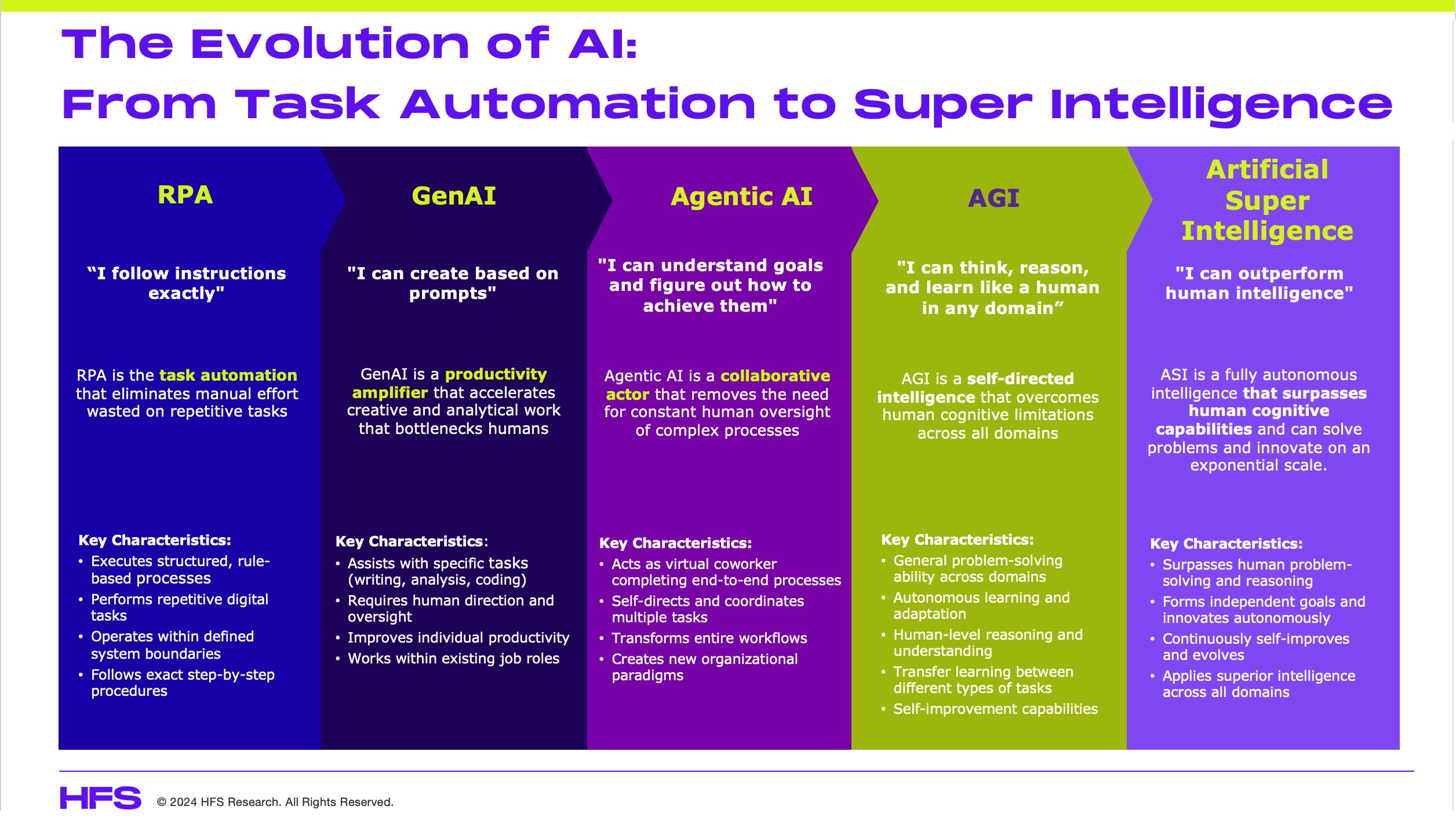
We’ve evolved from task-centric bots to dynamic agents that perform tasks on behalf of your workers
Fast forward to today’s world, and we suddenly have software that can impressively mimic not only human work but also human faces, voices, and expressions. Not only that, Agentic AI advancements are already proven to replicate human tasks, activities, and behaviors into real value-added work such as marketing functions, customer and employee experiences, supply chain operations, and sales processes. Agents are suddenly offering value far, far beyond mundane back-office efficiency… they are promising an injection of fake humanity into your enterprise.
Enterprise leaders are rushing headlong into a new era where AI doesn’t just assist—it acts.
The meteoric rise of Agentic AI is fundamentally reshaping workplace dynamics as these systems evolve from basic automation tools into autonomous digital workers that can execute complex tasks, make decisions, and even mimic human collaboration patterns. In short, after all the noise about bots replacing workers in the workplace over the past decade-plus, we now have technology that is still being positioned by many tech vendors to do just that.
Your agentic strategy will fail if you de-humanize your work culture
This evolution poses a double-edged challenge for enterprise leaders. While Agentic AI promises to unlock massive productivity gains and operational efficiencies, it also threatens to erode the human elements that drive innovation and organizational resilience. Meanwhile, employees face growing pressures to compete with tireless digital counterparts and productivity-obsessed work environments, further straining workplace culture.
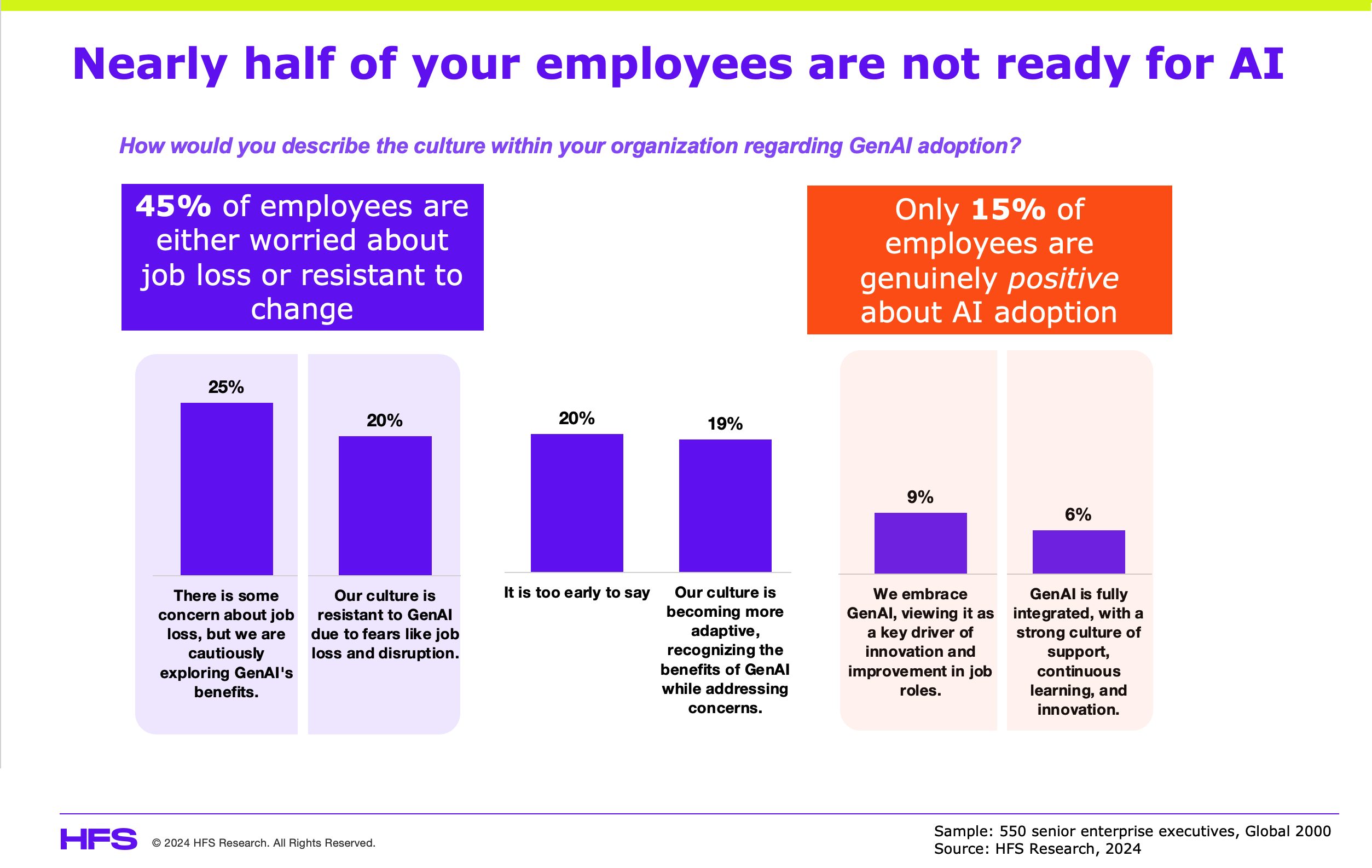
The stakes are clear: without a thoughtful balance, organizations risk creating a “post-human” workplace—where efficiency wins, but humanity is lost. Moreover, in order to create effective agentic workflows, you need to encourage your workforce to create them for you with a positive mindset, not one where they are in fear of their jobs. Simply put, you are asking your people to trust you to replicate their day-to-day work functions into software programs and engage with those programs while expanding their own activities and capabilities. This will likely be the most challenging exercise in change management many workplaces have experienced, especially when you consider that close to half of workers are resistant or worried about the impact AI is having on their jobs:
At the heart of modern AI development lies a relentless pursuit to replicate and eventually surpass human intelligence
The enterprise technology market is charging full speed toward a controversial goal: creating machines that not only match human intelligence but render it obsolete. This isn’t just about better algorithms or smarter chatbots. From IBM Watson to today’s GPT models, every breakthrough in AI development has been driven by our relentless pursuit to recreate and then surpass human cognitive capabilities digitally.
We’ve always had a peculiar habit of humanizing our tools—from ancient myths to Alexa’s friendly voice. But today’s push toward Artificial General Intelligence (AGI) — and potentially ASI — represents something far more ambitious. These aren’t just tools; they’re attempts to build digital beings that can outthink, outwork, and outperform their creators across every cognitive domain.
This obsession with creating human digital intelligence reveals an uncomfortable truth about the enterprise AI market: we’re not just building better tools—we’re trying to rebuild ourselves.
Silicon Valley wants you to believe your next teammate is a software agent
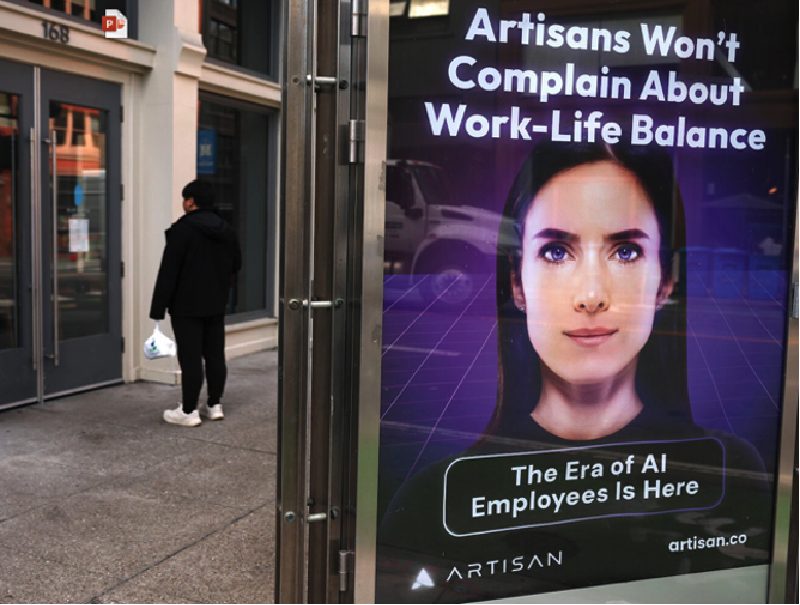
The latest wave of Agentic AI vendors has perfected the art of anthropomorphic marketing, transforming what should be straightforward automation tools into “digital employees,” complete with names, personalities, and backstories.
Take startups like Artisan, Newo.ai, Knovva.ai, 11x, and Roots Automation, which don’t just offer automation but pitch “Elijah in customer support” or “Helen, the HR Rep.” Even tech giants like Microsoft are following suit, introducing AI agents with specific job titles like “Facilitator” for meeting management and “Project Manager” for task execution. These aren’t faceless algorithms—they’re marketed as perpetual team members, creating the illusion of a collaborative peer.
This humanization appeals to buyers and users alike. AI framed as a “coworker” is easier to justify in budgets, align with workflows, and trust decision-making. For example, an AI agent with a friendly voice or personalized responses creates a sense of collaboration.
The anthropomorphic framing also makes it easier for managers to justify budgets and evaluate performance, aligning AI agents with familiar job functions. In some cases, this can be used to make the replacement of traditional roles and functions more palatable to a workforce that may otherwise fear this technology. Given that 45% of employees (see above) are either concerned about job loss or resistant to GenAI, it makes sense to make these bots more human-like (See above).
As bots are humanized, human workers face growing pressures to compete with their tireless, hyper-efficient digital counterparts
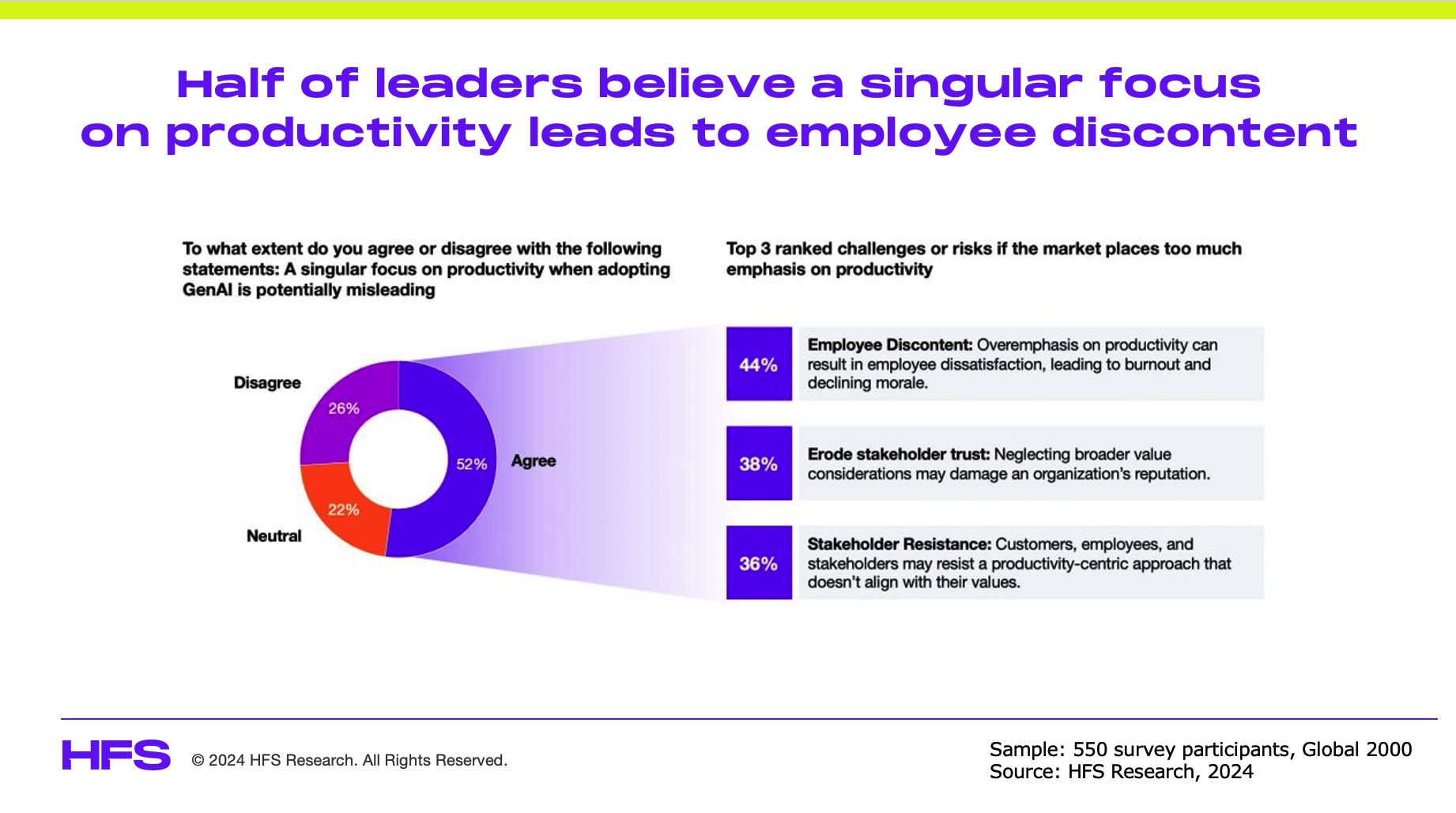
The rise of Agentic AI coincides with an enterprise-wide obsession with productivity, where every role is scrutinized for its efficiency. This shift is exacerbated by a workplace obsessed with productivity gains through AI. An HFS study found that the top driver of GenAI adoption was productivity, yet 52% of leaders also admitted that a singular focus on productivity could erode employee morale and trust.
Startups like Artisan are capitalizing on this moment with increasingly brazen messaging. Their “Stop Hiring Humans” billboard campaign in San Francisco perfectly captures this stark shift – openly suggesting that digital workers are preferable to human employees. It’s no longer about augmenting human capabilities; it’s about replacement (See Exhibit 3).
Artisan’s anti-human marketing campaign
The result is a workplace that will steadily transform into a transactional environment, where qualities like empathy, creativity, and collaboration—already strained in the post-pandemic world—are sidelined in favor of output and efficiency.
Employees may now face twofold challenges: the psychological burden of competing with machines and the cultural devaluation of human-centric skills.
The profit problem with post-human enterprises
Companies rushing to replace human functions with AI are missing a crucial point: the path to sustained profitability requires human insight, not just computational efficiency. Here’s why:
Market blindness: When enterprises lose touch with human experiences, they lose their ability to understand and predict market behavior. AI can crunch numbers all day but can’t grasp why customers buy your products. Strip out human insight, and you’ll miss every cultural shift and emotional driver that affects purchasing.
Innovation dies. Companies that over-automate find themselves stuck in optimization loops, perfecting existing processes while missing breakthrough innovations that come from human creativity and real-world experience. Tesla’s early automation failures in Model 3 production serve as a stark reminder—over-automation led to production delays and increased costs, forcing a return to human-centered manufacturing.
Commodification: While AI can handle transactions efficiently, businesses are learning that customer loyalty and premium pricing power come from emotional connections that only humans can forge.
Overreliance on AI creates dangerous uniformity across business processes and decision-making. When every competitor uses similar AI systems trained on similar data, they risk converging on identical solutions, creating a “race to the bottom” where price becomes the only differentiator.
Organizations must recalibrate their approach to navigating this complex landscape, recognizing that human qualities like empathy and creativity are not inefficiencies but essential drivers of success. Without this balance, the promise of Agentic AI may come at the cost of a disconnected and disillusioned workforce.
Recommendations for human-centric AI integration
Organizations must rethink their approach to AI integration to mitigate the risks of a “post-human” workplace. The solution lies in reframing AI as a tool rather than a counterpart while fostering a human-centric workplace culture that prioritizes collaboration, creativity, and well-being over metrics alone.
Reframe bots as tools: Maintain clear boundaries between AI and human roles. Anthropomorphized AI can enable productivity, but its purpose should remain as an enabler, not a substitute for authentic human connection.
Prioritize human-centric metrics: Balance productivity with engagement, creativity, and collaboration to create a workplace that values human contributions alongside AI capabilities.
Ethical deployment: Go beyond compliance with regulations like GDPR to address humanized bots’ societal and psychological impacts, ensuring transparency and fairness in AI use.
Foster engagement and trust: Invest in initiatives that enhance employee well-being and morale, such as flexible working models, upskilling opportunities, and programs that promote creativity and innovation.
The challenge lies not in choosing between humans and machines but in creating a workplace where both thrive in harmony.
The Bottom Line: Humanizing bots while dehumanizing humans risks creating a soulless enterprise in which efficiency wins, but humanity loses.
As we push the boundaries of AI to replicate and surpass human intelligence, the line between tools and colleagues blurs, raising profound ethical and cultural challenges. To thrive in this new era, organizations must balance leveraging AI’s potential with preserving the human values that foster sustainable success.


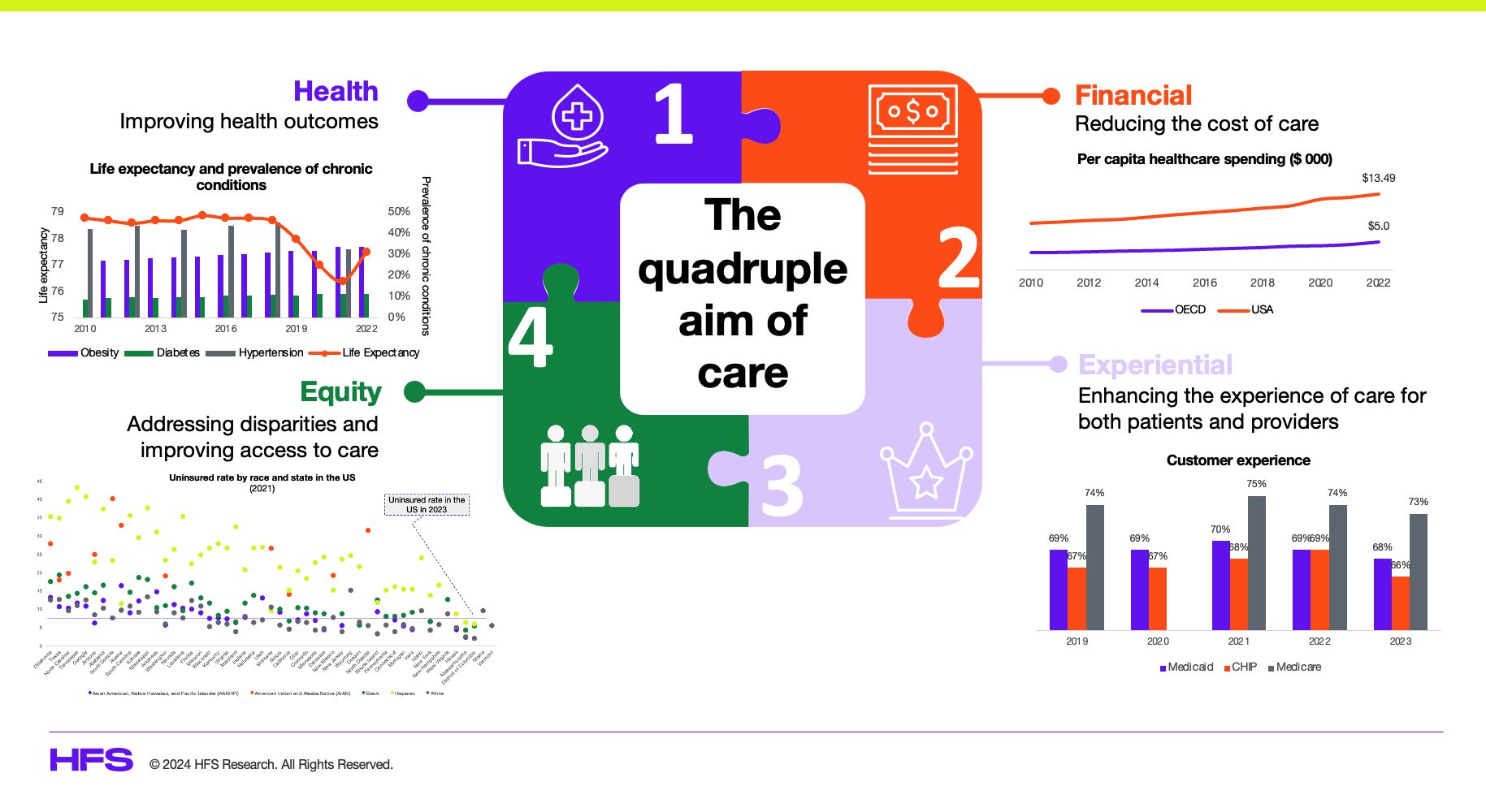
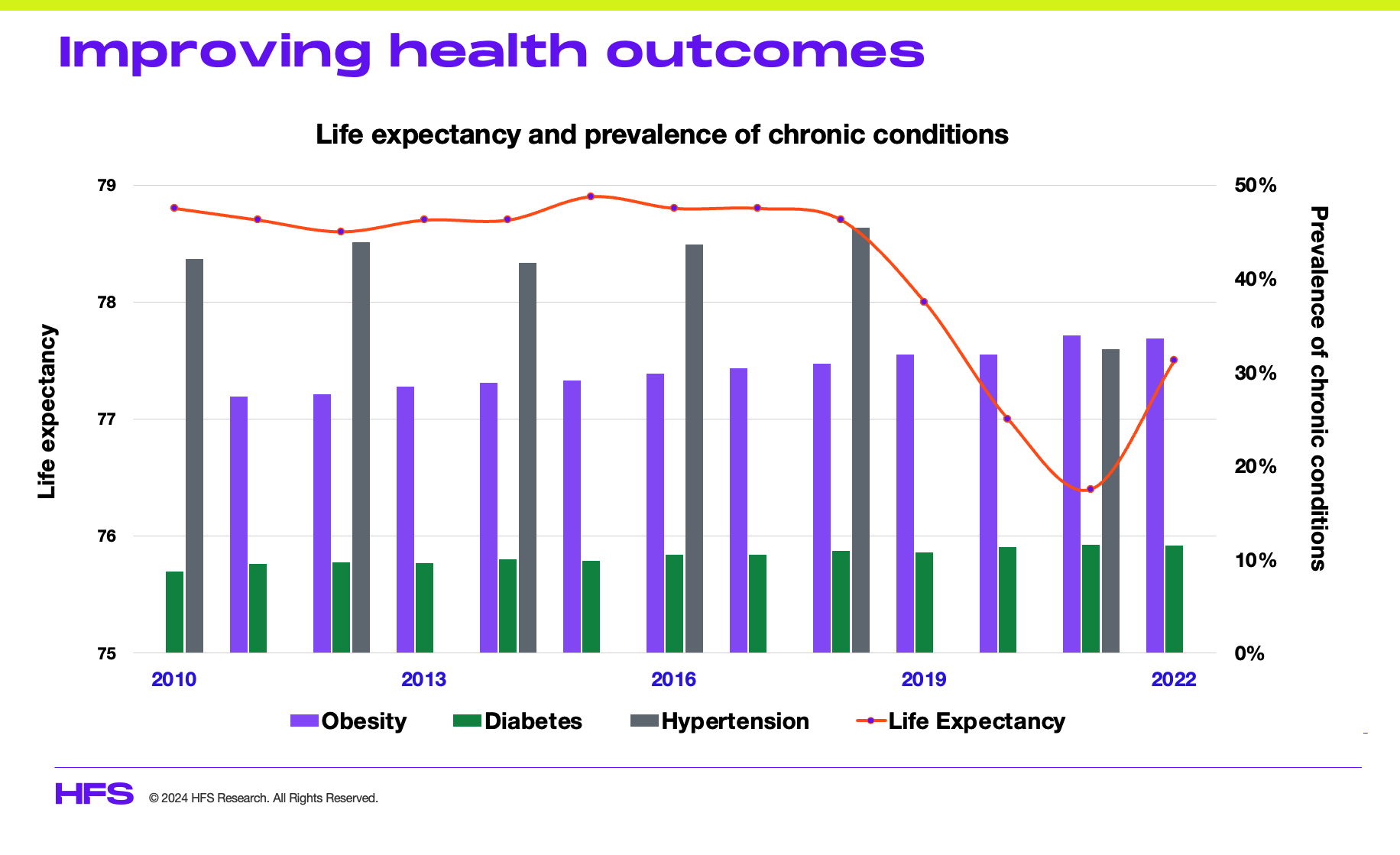
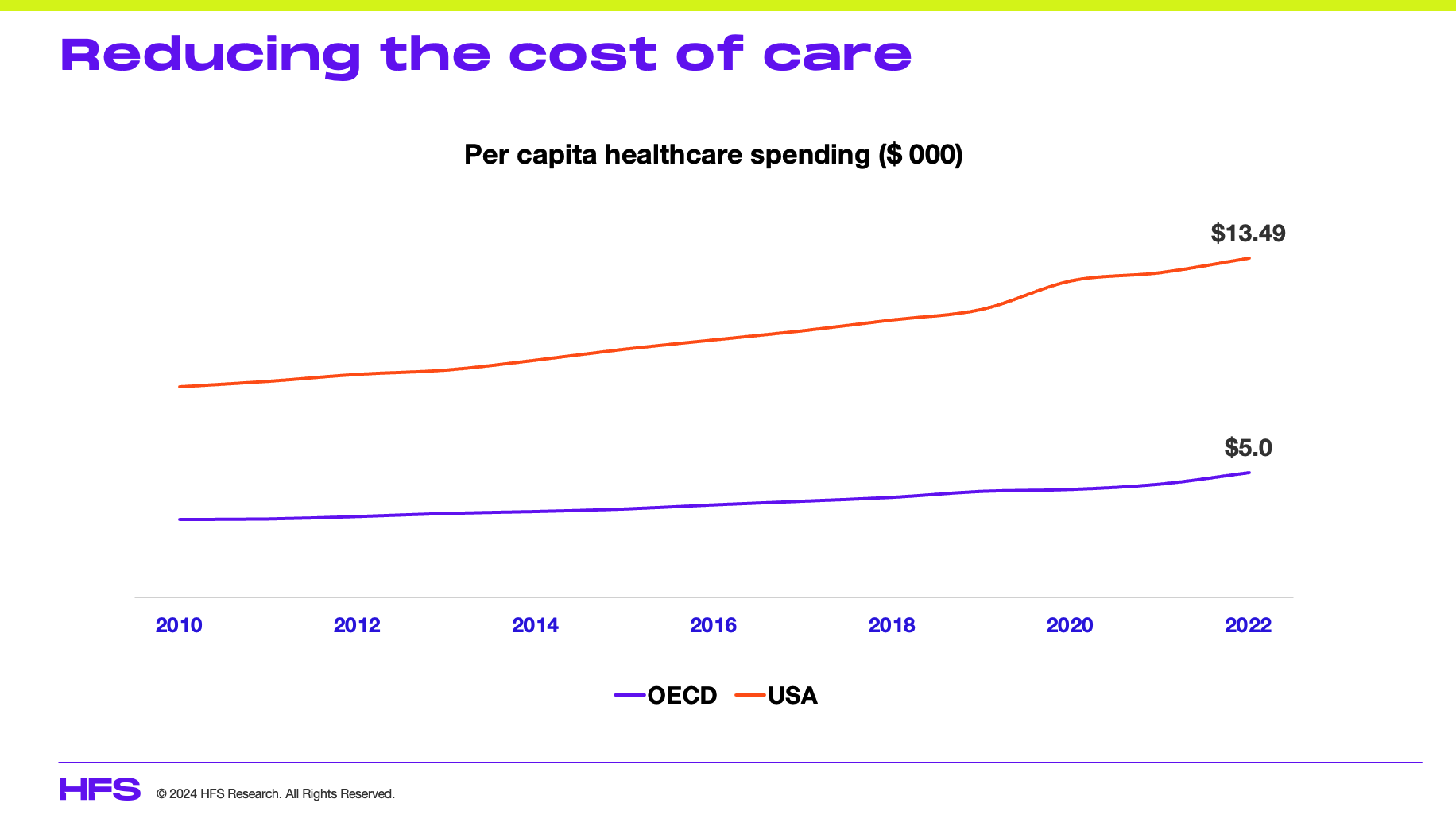
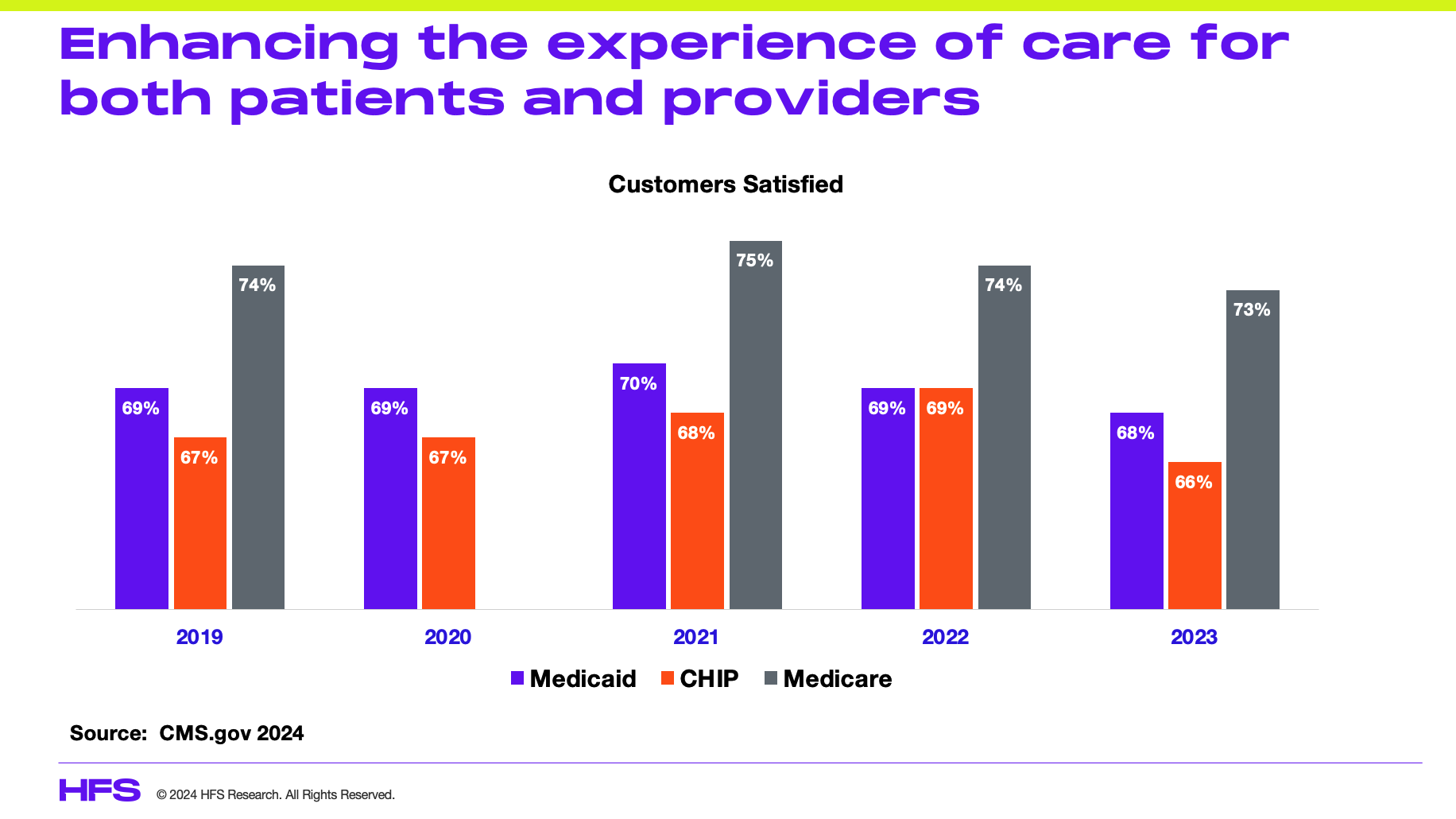
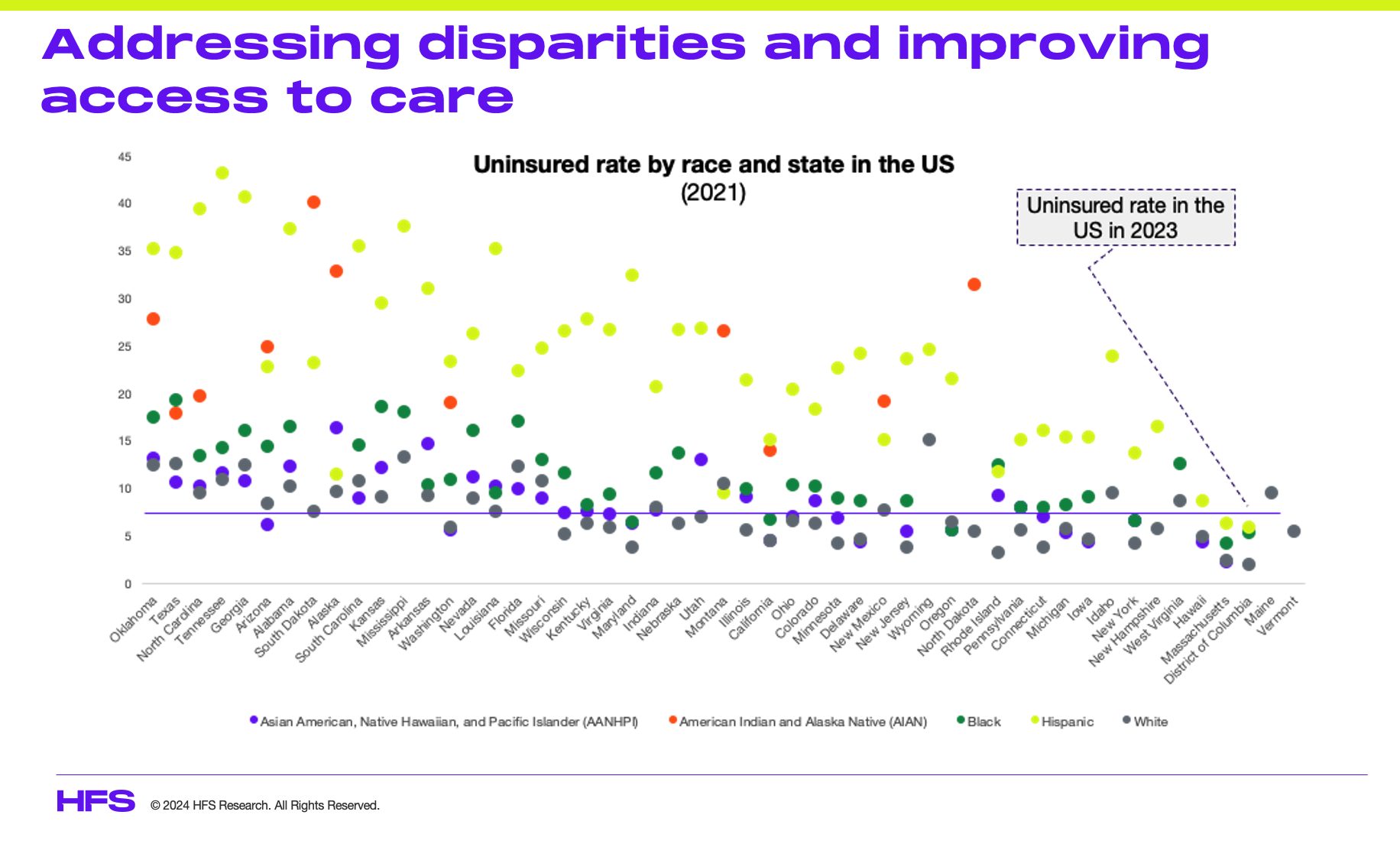
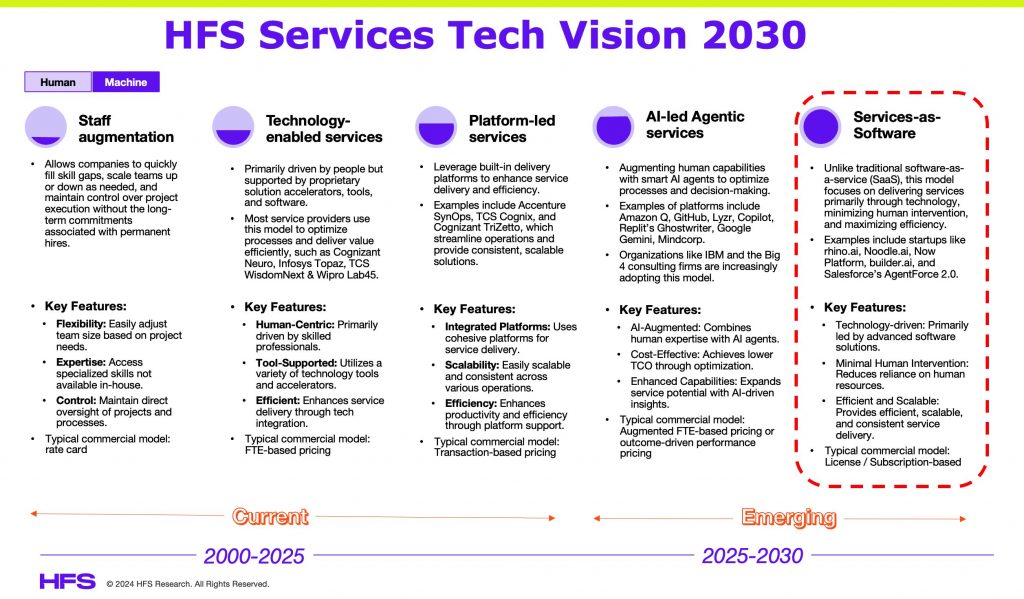
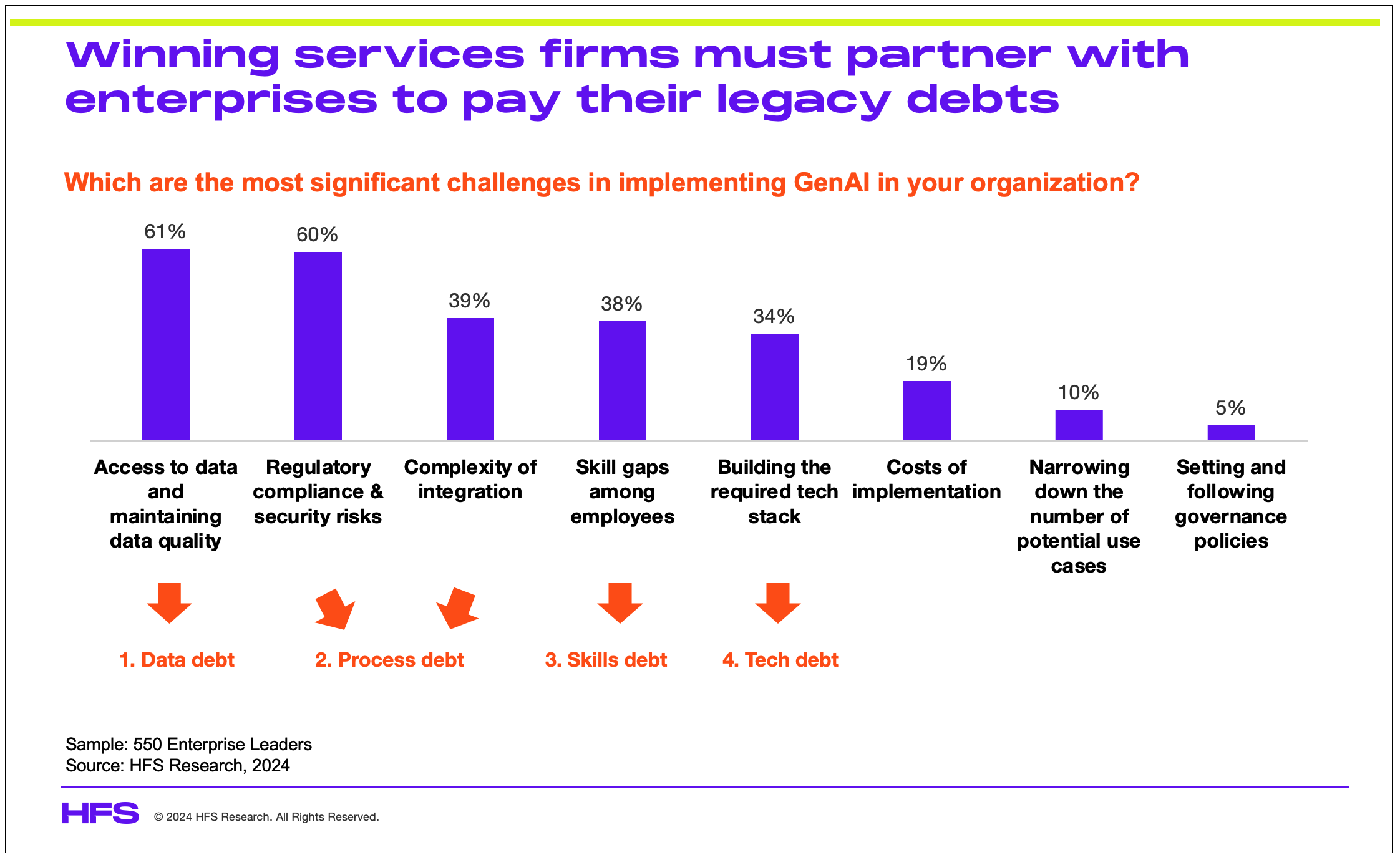


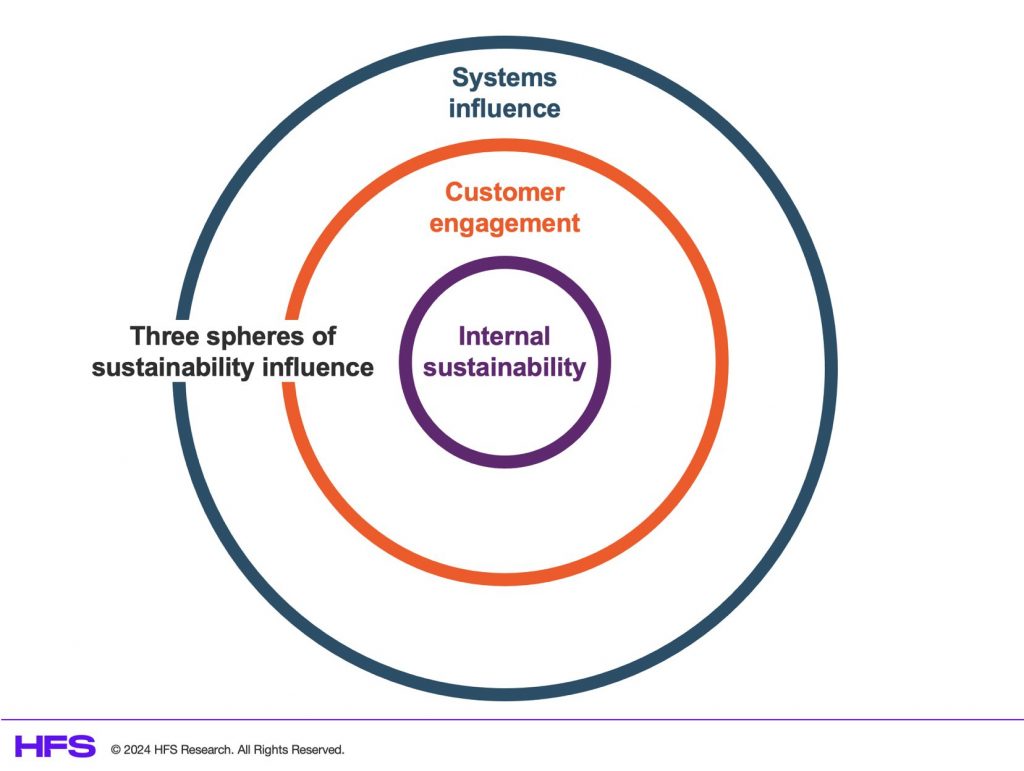
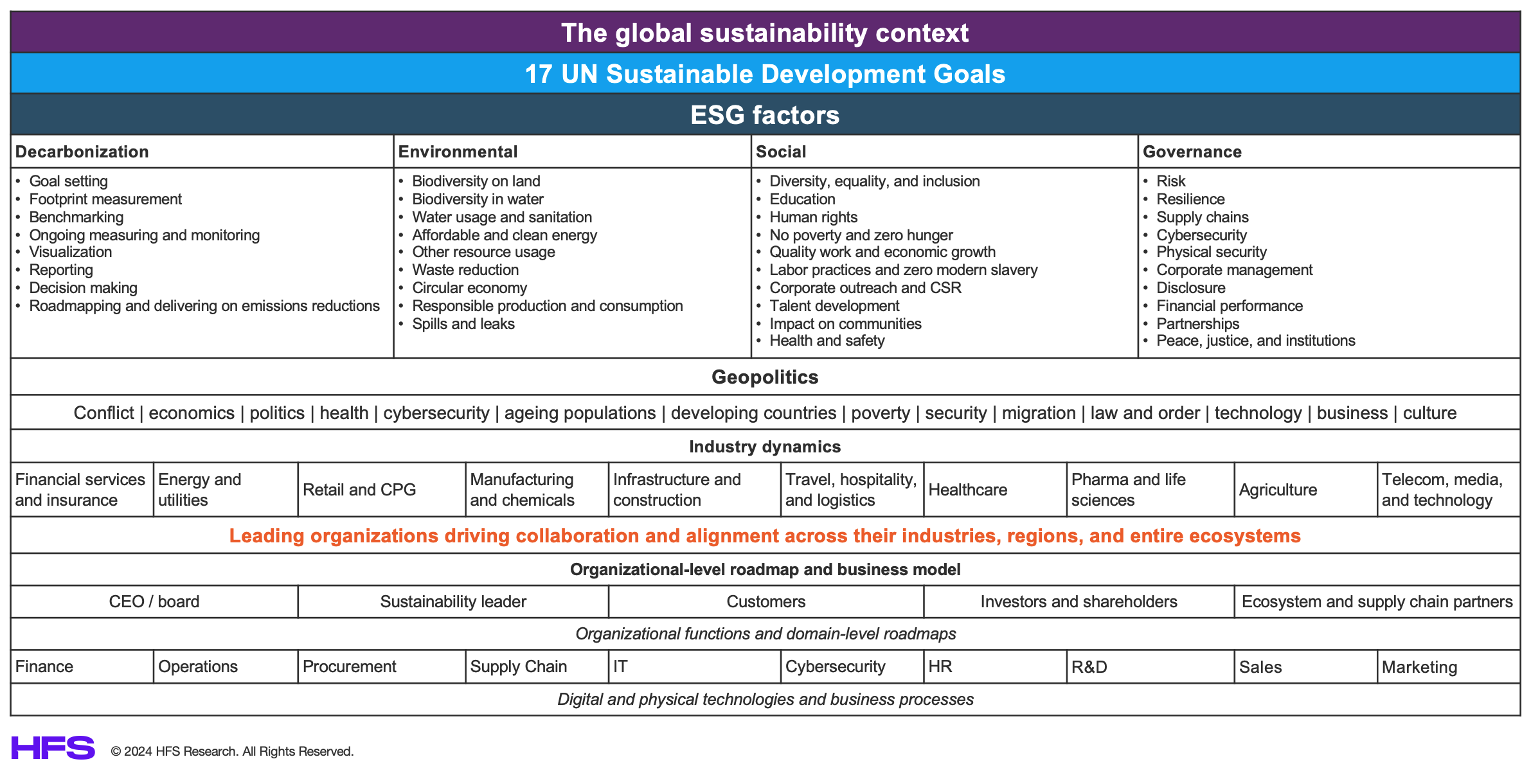
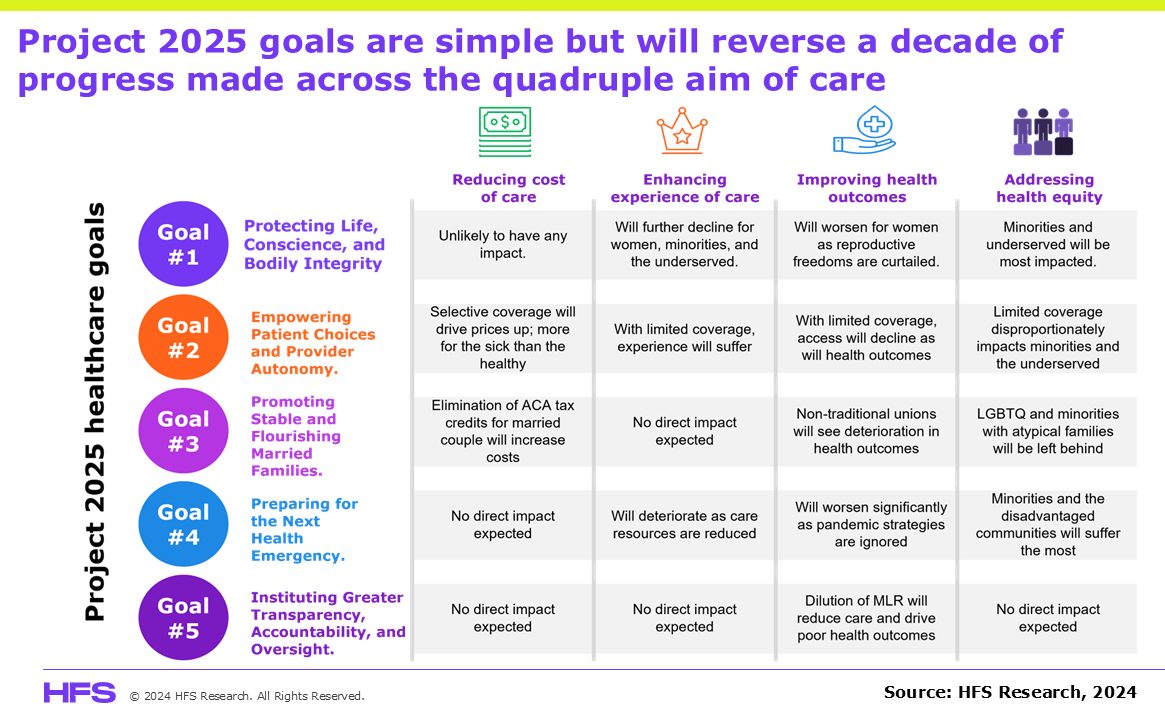
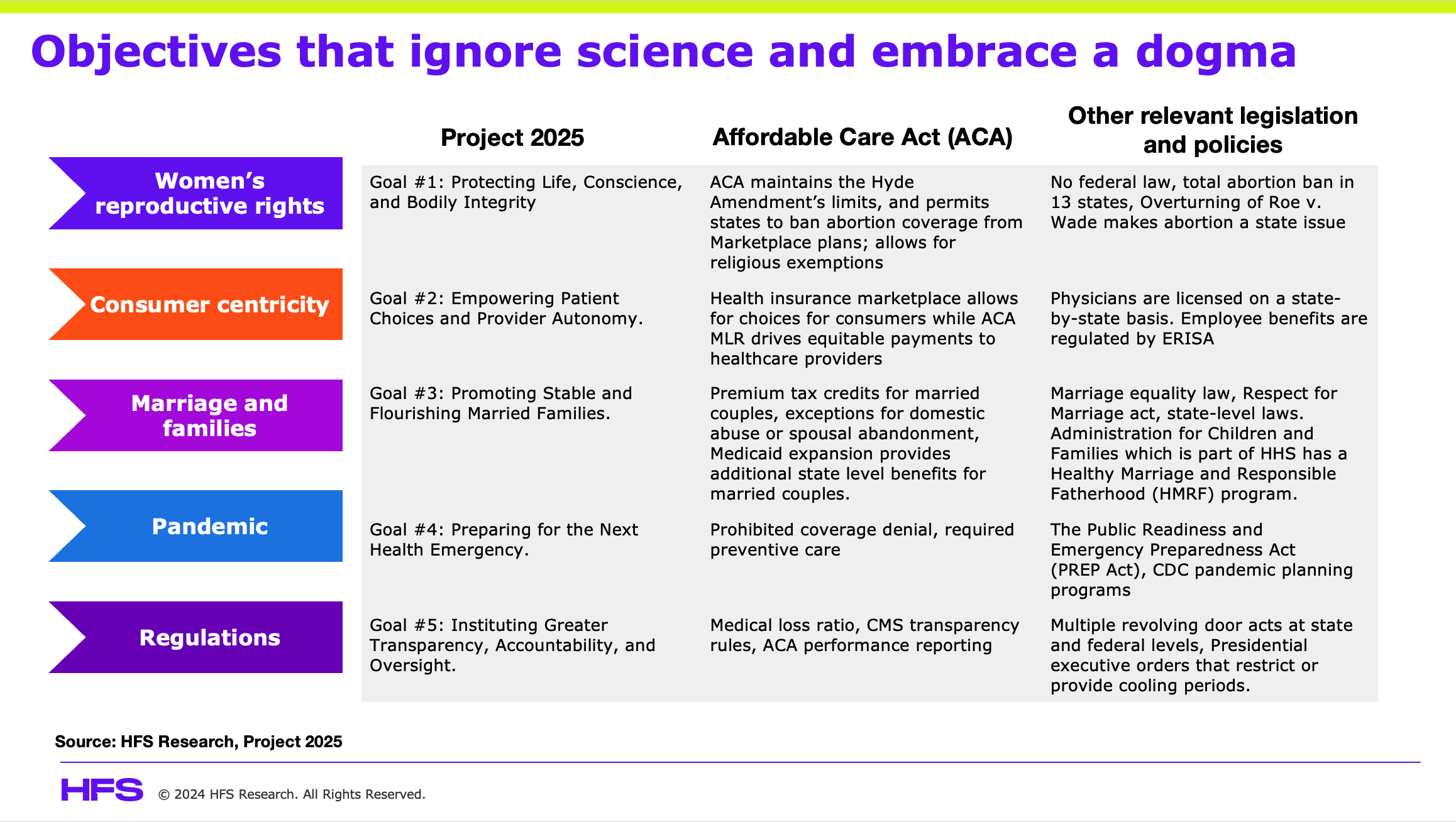
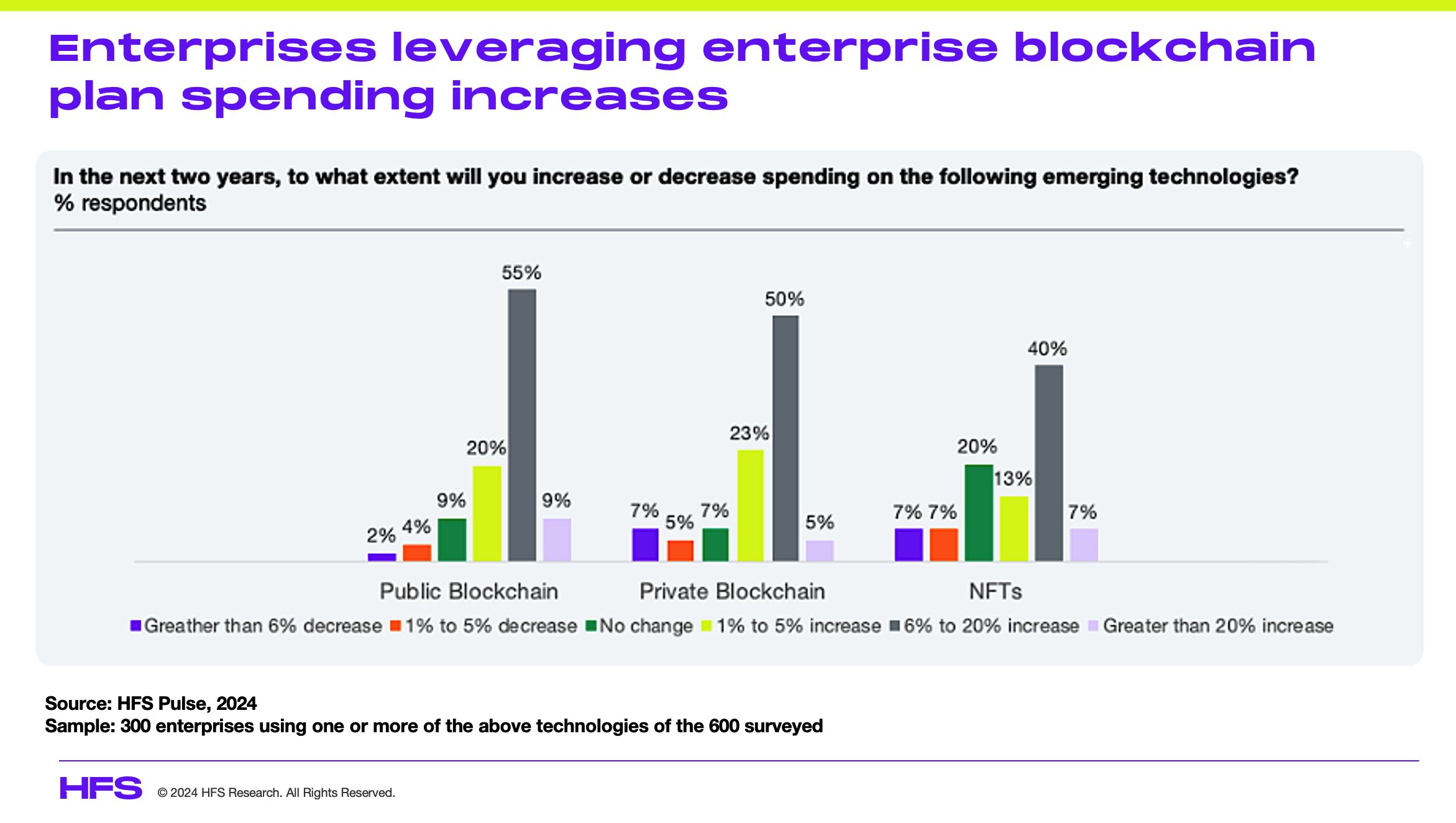
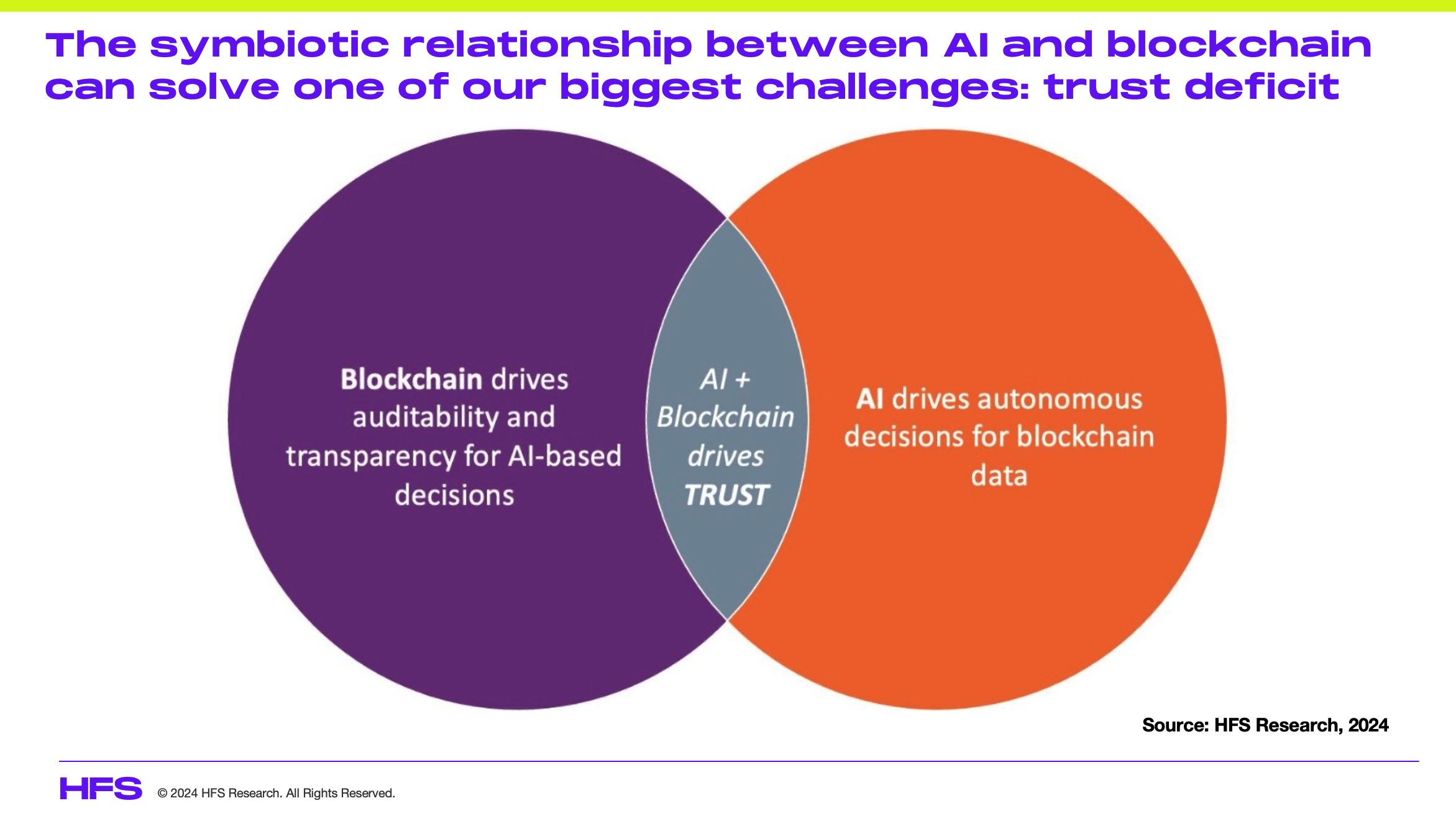
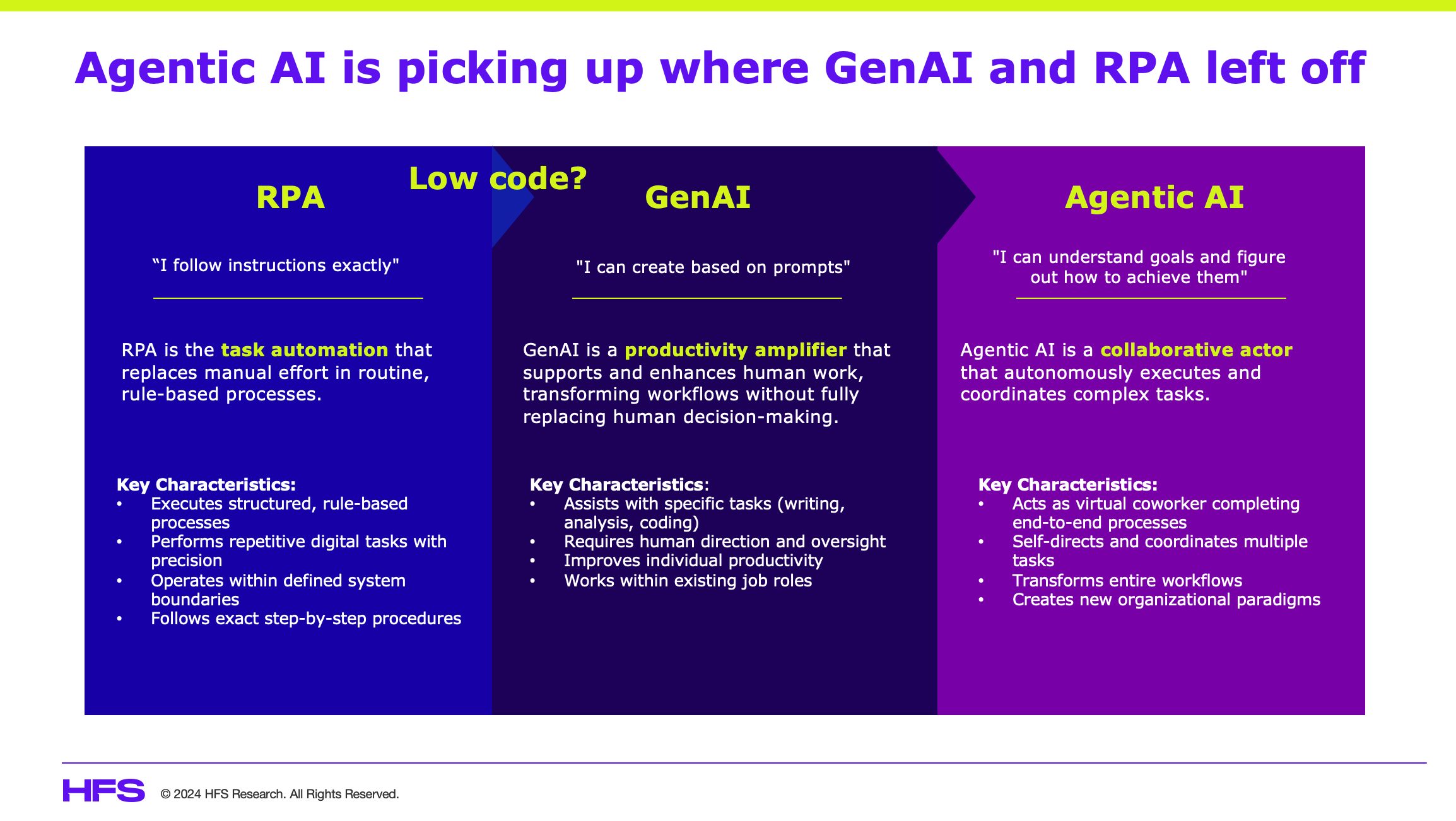
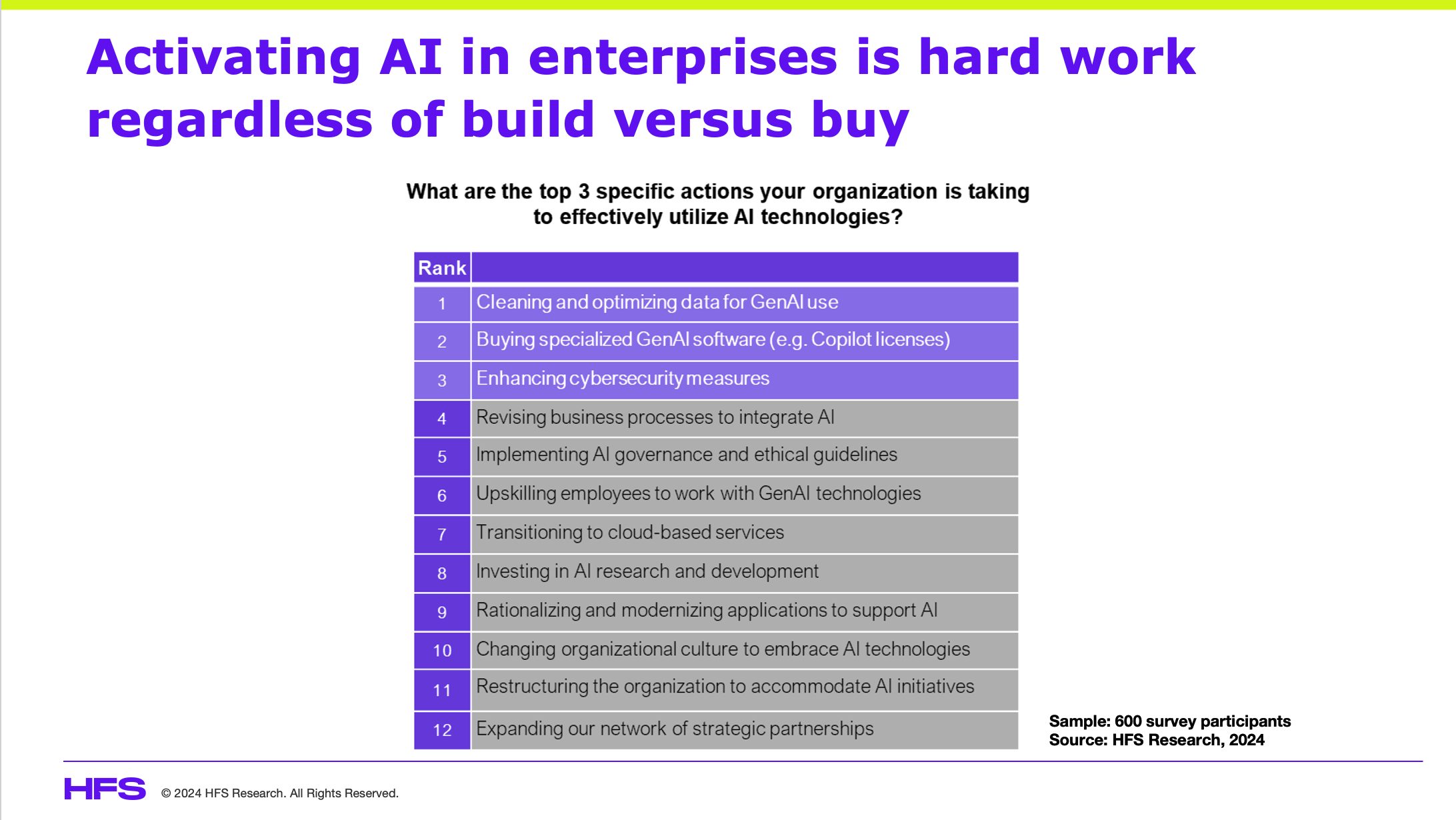
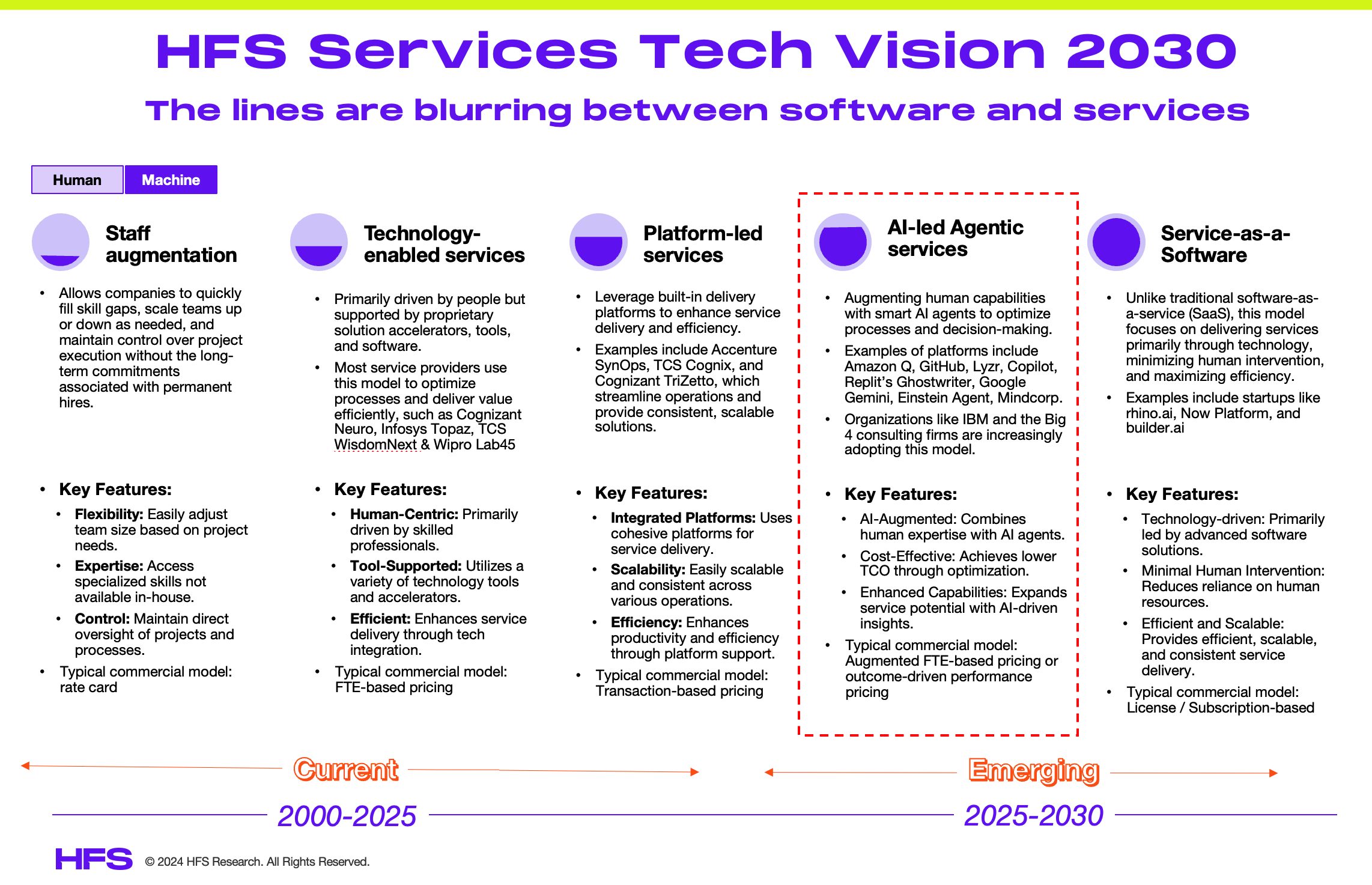
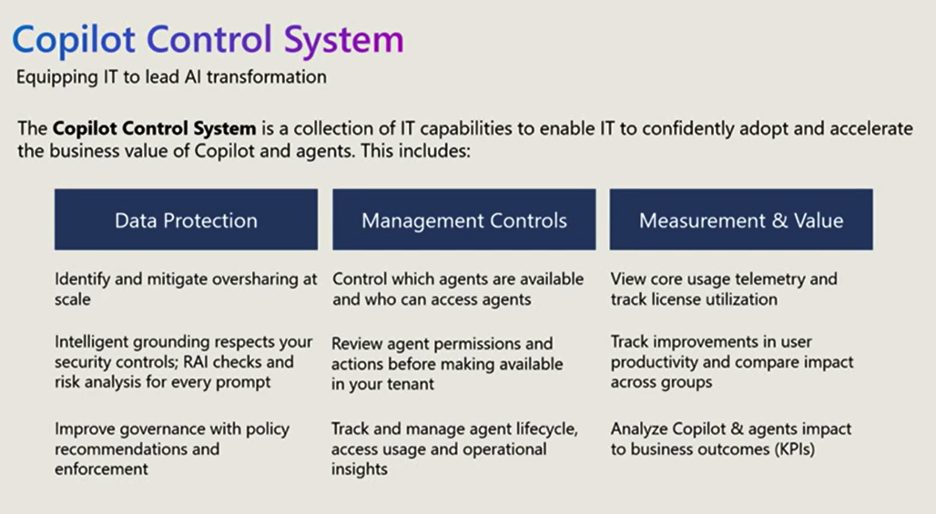
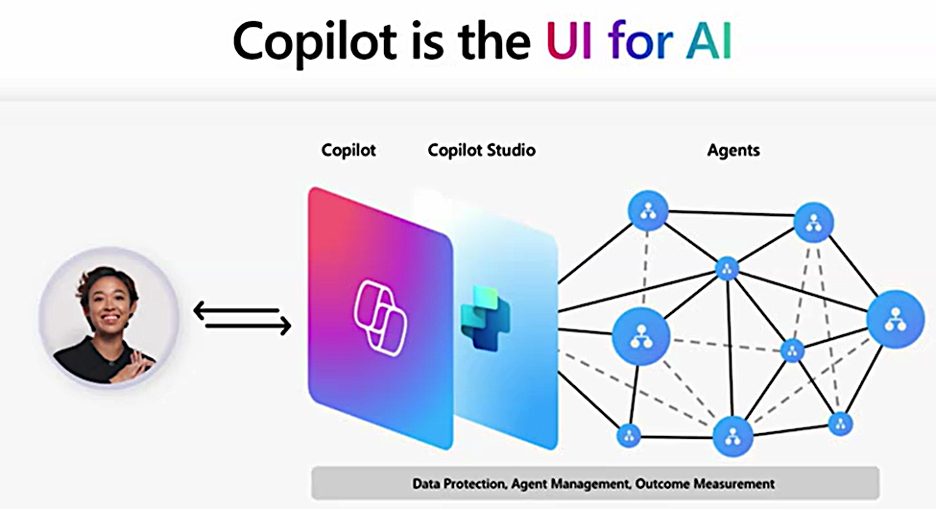
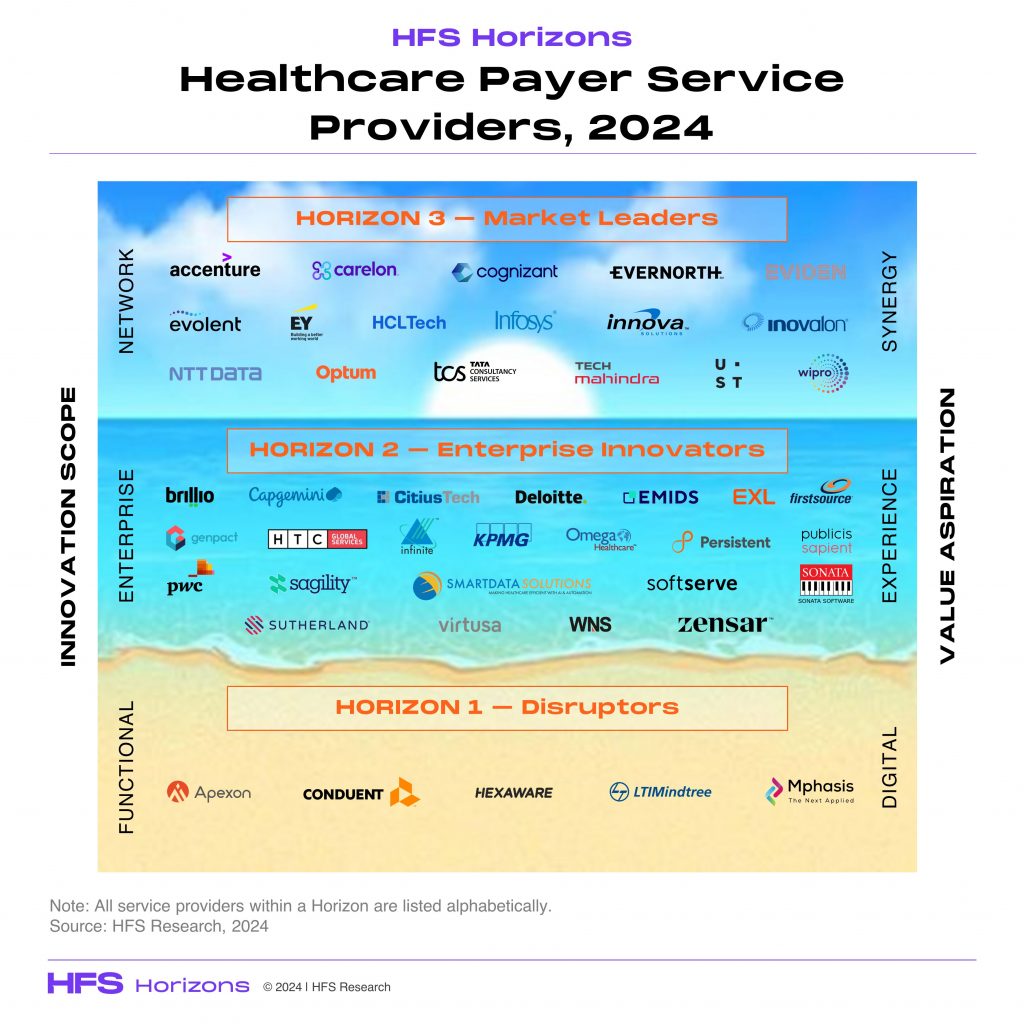
 Donald Trump’s announcement of steep import tariffs on goods from Canada, Mexico, and China has rekindled concerns about a volatile trade landscape. His proposed 25% tariffs on Mexican and Canadian goods and an additional 10% on Chinese imports represent a significant shift from multilateralism to unilateralism. These actions threaten the integrated North American supply chain and global trade stability if implemented. Businesses that rely on cross-border trade must prepare for increased costs, potential supply disruptions, and retaliatory measures from trading partners.